What is the cutting depth control on a CNC router?
Leave a message

Hey there! As a supplier of CNC routers, I often get asked about different aspects of these machines. One question that pops up quite frequently is, "What is the cutting depth control on a CNC router?" Well, today I'm gonna break it down for you in plain English.
First off, let's understand what a CNC router is. It's a computer - controlled cutting machine that can work on various materials like wood, plastic, and metal. Think of it as a super - precise robot that can cut, carve, and engrave with amazing accuracy. And the cutting depth control is a crucial feature that allows you to determine how deep the router bit will cut into the material.
Why is Cutting Depth Control Important?
The cutting depth control is like the steering wheel of a car. Without it, you'd be driving blind. In the world of CNC routers, getting the cutting depth right is essential for several reasons.
For starters, it affects the quality of the cut. If the cutting depth is too shallow, you might not get a clean cut through the material. The edges could be rough, and the overall finish won't be up to par. On the other hand, if the depth is too deep, you could damage the material, break the router bit, or even harm the machine itself.
Another reason is efficiency. By setting the correct cutting depth, you can optimize the cutting process. You'll use less energy, reduce wear and tear on the router bit, and get the job done faster. It's all about finding that sweet spot.
How Does Cutting Depth Control Work?
There are a few different ways that cutting depth control can work on a CNC router.
Manual Depth Control
Some older or more basic CNC routers have manual depth control. This means that the operator has to physically adjust the position of the router bit before starting the cutting process. It's a bit like using an old - fashioned camera where you have to manually focus the lens.


The operator uses a handwheel or a lever to move the router bit up or down. They'll measure the distance from the bit to the material using a ruler or a gauge. It takes a bit of skill and experience to get it right, but once you do, you can achieve some great results. However, it's not very precise, and it can be time - consuming, especially if you're doing multiple cuts at different depths.
Automatic Depth Control
Most modern CNC routers come with automatic depth control. This is where the magic happens. With automatic depth control, the machine uses sensors and software to determine the exact cutting depth.
The software allows you to input the desired cutting depth in the control panel. Once you've set the parameters, the machine will automatically adjust the position of the router bit. It can even make real - time adjustments during the cutting process if it detects any issues, like variations in the material's thickness.
One common type of sensor used for automatic depth control is the touch probe. The touch probe is a small device that comes into contact with the material's surface. It measures the distance between the probe and the material and sends this information to the machine's control system. Based on this data, the system can adjust the router bit's position accurately.
Factors Affecting Cutting Depth
When setting the cutting depth on a CNC router, there are several factors you need to consider.
Material Type
Different materials have different properties, and this affects how deep you can cut. For example, wood is generally softer than metal, so you can cut deeper into wood without too many problems. On the other hand, cutting into metal requires more precision and a shallower cutting depth to avoid damaging the router bit.
If you're working with a softwood like pine, you can usually cut deeper than if you're working with a hardwood like oak. The same goes for plastics. Some plastics are more brittle than others, and you need to adjust the cutting depth accordingly.
Router Bit Size and Type
The size and type of the router bit also play a big role in determining the cutting depth. A larger router bit can generally cut deeper than a smaller one. However, you also need to consider the bit's design. Some bits are designed for shallow cuts, like engraving bits, while others are meant for deeper cuts, like end mills.
For example, a V - bit is often used for engraving and is typically used for relatively shallow cuts. An end mill, on the other hand, can be used for deeper cuts and is often used for milling operations.
Machine Capabilities
Every CNC router has its own limitations when it comes to cutting depth. You need to know your machine's specifications before you start cutting. Some machines are designed for light - duty work and have a limited cutting depth, while others are heavy - duty machines that can cut much deeper.
If you try to push your machine beyond its capabilities, you'll likely run into problems like poor cut quality, broken bits, or even machine damage. So, always check the manufacturer's guidelines for the maximum cutting depth of your CNC router.
Tips for Setting the Cutting Depth
Here are some tips to help you set the cutting depth correctly on your CNC router.
Do a Test Cut
Before you start a big project, it's always a good idea to do a test cut on a scrap piece of the same material. This will allow you to see how the machine behaves at different cutting depths. You can adjust the depth based on the results of the test cut.
Start Shallow
It's better to start with a shallow cutting depth and gradually increase it if needed. This way, you can avoid making mistakes that could damage the material or the machine. You can also get a feel for how the material responds to the cutting process.
Use the Right Software
Make sure you're using the right software for your CNC router. The software should have a user - friendly interface that allows you to easily input and adjust the cutting depth. Some software also offers simulation features, which let you see how the cutting process will look before you start the machine.
Our 2030 Wood Cnc Engraving Machine
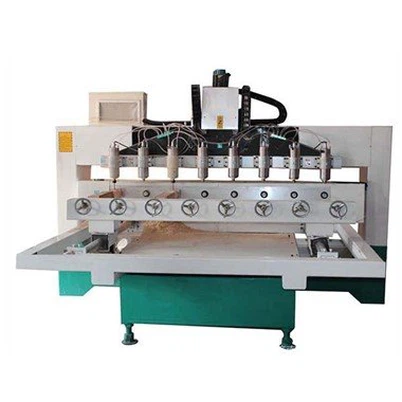
If you're in the market for a high - quality CNC router with excellent cutting depth control, check out our 2030 Wood Cnc Engraving Machine. This machine is specifically designed for woodworking and offers precise cutting depth control.
It comes with automatic depth control using advanced sensors, so you can be sure that your cuts will be accurate every time. The software is easy to use, and you can customize the cutting depth for different projects. Whether you're doing simple engraving or complex milling operations, this machine has got you covered.
Conclusion
Cutting depth control is a vital aspect of using a CNC router. It affects the quality of your cuts, the efficiency of the process, and the overall performance of the machine. By understanding how it works, considering the factors that affect it, and following some simple tips, you can get the most out of your CNC router.
If you're interested in learning more about our CNC routers or have any questions about cutting depth control, don't hesitate to reach out. We're here to help you make the right choice for your business. Contact us today to start the procurement process and take your woodworking or other cutting projects to the next level.
References
- CNC Router Basics: A Guide to Understanding the Fundamentals
- Woodworking with CNC Routers: Best Practices and Techniques
- Manufacturer's Manuals for Various CNC Routers