


Why choose us?
Your Professional Co2 Laser Machine manufacturer in China!
JINAN ZHONGKE CNC EQUIPMENT CO.,LTD is a professional manufacture of CNC machines for more than 15 years, we have our own workshops , warehouse and sample machine display area.

High-Quality Products
We specialize in manufacturing CNC routers, nesting CNC machines, CNC plasma cutting machines, laser cutting machines engraving machines, etc.
Wide Range of Applications
These machines can be used for wood furniture making, the decoration industry, the advertising industry, the art field, the mold production field, etc.
Export Experience
With an experienced and professional team, we have exported our products to many countries and regions all over the world.
Company Honor
We have SGS, CE certification, etc. We enjoy a good reputation among our customers. We welcome customers from all parts of the world to contact us and seek cooperation for mutual benefit.


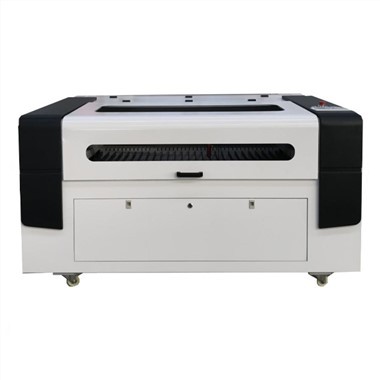


What is a Co2 Laser machine?
A Co2 laser machine is a type of CNC laser machine that uses Co2 laser technology to cut and engrave materials. Co2 stands for carbon dioxide. Co2 lasers are gas lasers that use a mixture of carbon dioxide, nitrogen, and helium as an active medium. The carbon dioxide molecules are stimulated, and when an infrared photo meets a carbon dioxide molecule, a new photon is created. This produces a beam of infrared light with the principal wavelength bands centering on 9.6 and 10.6 micrometers (μm). Co2 lasers are popular because of their fast-cut speed, accuracy, and superior cutting power.
How does a Co2 Laser machine Work?
In a Co2 laser cutter, light is produced when electricity runs through a gas-filled tube with mirrors at both ends. One mirror is fully reflective while the other one lets some light come through. These mirrors guide the laser beam into the material that is to be cut. The gas is typically a mixture of carbon dioxide, nitrogen, hydrogen, and helium.
Any light produced by Co2 lasers is extremely powerful compared to normal light. This is because of the mirrors that bookend the tube of gases. These mirrors reflect most of the light traveling through the tube and cause the light waves to build in intensity. The light only passes through the partially reflective mirror when it becomes bright enough.
Since the light from a laser is infrared, it is invisible to the human eye. It also has a very long wavelength. It can cut a variety of materials, including cloth, wood, metal, glass, and paper. The intense heat from this light vaporizes the material that is going to be cut, leaving an accurate, smooth finish.
Depending on the look you are going for on your material and what material you are cutting or engraving, the speed and power settings can be decreased and increased. Testing your material beforehand is a good practice and will get you closer to perfect results, every time.

Product specifications of Co2 Laser machine
| Item name | Co2 Laser machine |
| Application | Laser cutting /Laser Engraving |
| Laser Type | Co2 Laser |
|
ApplicableMaterial |
Non-metal materials: Acrylic, Glass, Leather, MDF, Paper, Plastic,Sponge, Plexiglas, Plywood, Rubber, Stone, Wood, Crystal, etc. |
| Working Area |
900*600mm ,1300*900mm, 1400*1200mm, 1300*2500mm or asrequested |
| Laser Power | 60W/80W/100W/130w/150W/180W/200W/500W/1500W/2000W |
| Working Table | Blade table (alternative: honeycomb table)/Aluminum Blade |
|
OperatingTemperature |
0-45℃(temperature) 5-95%(humidity) |
|
CompatibleSoftware |
Coreldraw, AutoCAD, Photoshop |
| Position system | Red-light pointer |
| system |

The Advantages of Co2 Laser machine
High Precision
Positioning accuracy 0.05mm, repeat positioning accuracy 0.02mm.
Material Saving
By adopting nesting software, different shapes of products can be settled into one design, maximizing the utilization of materials.
No Damage to the Workpiece
The laser cutting head will not contact the material surface, to ensure that the workpiece is not scratched.
Good Cutting Quality
No contact cutting, cutting edge is little affected by heat, basically no workpiece thermal deformation, completely avoid the collapse of the material when punching shear, slit generally do not need two processing.
No Need for Mold
Laser processing does not need a mold, no mold consumption, no need to repair the mold, and saves the time to replace the mold, thus saving the processing cost, reducing the production cost, and especially suitable for the processing of large products.
Fast Speed
Cutting speed up to 10m/min, maximum positioning speeds up to 70m/min.
Smooth Cutting Surface
No burr on the cutting surface, the roughness of the incision surface is generally controlled within Ra12.5.
Flexible Shape Cutting
Laser processing flexibility is good, can process arbitrary graphics, can cut pipe and other profiles.
Any Hardness of the Material
Laser can be processed on acrylic, wood, laminated fiberglass, and other solid material, all these non-metal materials can be cut without deformation.
Narrow Cutting Slit
The laser beam focuses on a very small spot of light so that the focal point reaches a very high-power density, the material is quickly heated to the degree of gasification, and evaporation forms holes. As the beam moves relatively linearly with the material, the holes continuously form a very narrow slit. The incision width is generally 0.10 ~ 0.20mm.
Range of Materials Compatible with CO2 Lasers
CO2 laser cutting is a versatile and precise method that can be used for cutting and engraving most non metal materials and other materials. Here are some materials that are suitable for CO2 laser cutting.
Organic Materials
Wood and plywood: CO2 lasers can easily cut through various types of wood and plywood, making them ideal for creating intricate designs, signage, and custom shapes.
Acrylic and plastic: These materials have excellent laser absorption properties, allowing for clean and precise cuts. CO2 lasers can be used to create intricate designs, prototypes, and even personalized items like keychains and jewelry.
Leather and fabric: CO2 lasers can precisely cut and engrave leather, rubber, and fabric materials, offering customization and intricate detailing. This makes them suitable for applications such as fashion, upholstery, and accessories.
Inorganic Materials
Glass and ceramics: CO2 lasers can be used to engrave and mark glass and ceramics, adding intricate designs and personalized touches to these materials. However, cutting glass and ceramics with CO2 lasers requires specialized techniques.
Stone and marble: CO2 lasers can create detailed designs and engravings on stone and marble surfaces. They can be used for applications such as custom signage, home decor, and architectural elements.
Metals (with certain limitations): CO2 lasers can cut thin sheets of metals like stainless steel and anodized aluminum, but thicker metals require higher power levels and may have limitations. Metal cutting with CO2 lasers is commonly used in industries such as automotive, aerospace, and jewelry.
Composite Materials
Carbon fiber: CO2 lasers can cut carbon fiber materials with precision, making them suitable for various applications such as aerospace, automotive, and sporting goods.
Fiberglass: CO2 lasers can cut and engrave fiberglass materials, providing accurate and clean results. This makes them suitable for applications such as boat building, automotive parts, and architectural models.
Laminate: CO2 lasers can cut through laminate materials, allowing for precise shaping and customization. They are commonly used in industries such as furniture manufacturing, interior design, and signage.
Materials to Avoid for CO2 Laser Cutting
While CO2 lasers can cut a huge range of materials, there are some common materials that are unsuitable for this cutting method. It’s important to avoid using these materials in CO2 laser cutting processes as they can lead to undesirable outcomes such as toxic fumes, production of harmful gases, or difficulties in achieving clean cuts on reflective surfaces. By understanding the limitations of these materials, you can ensure safer and more efficient results when working with a CO2 laser cutter.
Reflective Materials
Highly reflective materials, such as copper and aluminum, can reflect the laser beam and cause damage to the laser system. These materials require alternative cutting methods, such as fiber laser cutting or waterjet cutting.
Heat-sensitive Materials
Materials that are prone to melting or warping under high temperatures, like certain plastics, may not be suitable for CO2 laser cutting. It is important to consider the material’s heat tolerance and select appropriate cutting methods accordingly. Like when polycarbonate is processed by a CO2 laser, it can produce toxic gas or catch fire. It is better suited for other methods like CNC milling.
Certain Metals and Alloys
Some metals, such as titanium and brass, require specialized laser systems or alternative cutting methods due to their high reflectivity or composition. These materials may need fiber lasers or other laser technologies for effective cutting.
The Applications of Co2 Laser machine
Our Projects
Architectural design & planning cepteur sint occaecat cupidatat proident

Laser cutting and laser engraving of wood
Co2 Laser machines are extremely suitable for laser cutting and laser engraving of wood. For example, for toys, decorative items, artistic adaptations, souvenirs, Christmas decorations, gifts, architectural models and furniture makers.

Laser cutting and laser engraving of leather
Leather is an organic material that is extremely suitable for processing with laser technology. Laser cutting and laser engraving of leather is fast, flexible and complex patterns can also be quickly engraved or laser cut.

Laser cutting of plastic sheet material
Laser cutting of plastic or acrylic is one of the most common laser applications. Co2 laser machines are extremely suitable for laser cutting Acrylic / Plexiglass, for example for the production of illuminated or neon displays, advertising signs, POS/POP displays, etc. Other plastics such as (thin 0.8-1.0mm) polycarbonate, polypropylene and polyethylene can also be cut with the Co2 laser.

Laser engraving of (stamp) rubber
Laser engraving of rubber is easy and fast with Co2 laser engraving machines. With our laser engraving machines you can quickly produce stamps with texts, logos or photos from suitable rubber.

Cutting, engraving & perforating paper and cardboard
Laser cutting of paper and cardstock is a quick and easy process that can be used for processing paper, cover and cardstock. This can be used for digital printing, packaging prototyping, model making or scrapbooking. The benefits of a laser paper cutting machine open up new design options for you, setting you apart from the competition. Engraving the paper with the laser produces impressive results. This applies to logos, photos and ornaments – there are no restrictions on graphic design. On the contrary: surface processing with the laser beam only increases the freedom of design.

Laser cutting of textiles & fabrics
Laser cutting of textiles and a large number of fabrics is easily possible with a Co2 laser machine. There are also possibilities for a large number of synthetic and technical textiles, such as those used in the car industry. A Co2 laser machine can be used in a quick and easy way for the laser cutting of textiles and a large number of fabrics.
What are the main components of a Co2 Laser machine?
Machine bed part: The machine bed of the laser cutting machine, the mechanical part that realizes the movement of the X, Y, and Z axes, including the cutting work platform. It is used to place the workpiece to be cut, and can move correctly and accurately according to the control program, usually driven by a servo motor.
Laser generator: A device that generates a laser light source. For laser cutting applications, except for a few occasions where YAG solid-state lasers are used, most of them use CO2 gas lasers or fiber lasers with high electro-optical conversion efficiency and high output power. Because laser cutting requires high beam quality, not all lasers can be used for cutting. Gaussian mode is suitable for less than 1500W, low-order mode carbon dioxide laser 100W-3000W, and multi-mode above 3000W.
External optical path: Refraction mirror, used to guide the laser in the required direction. In order to prevent failure of the beam path, all mirrors should be protected by protective covers, and clean positive pressure protective gas should be introduced to protect the mirrors from contamination. A well-performing set of lenses will focus a beam with no divergence angle into an infinitely small spot. A 5.0-inch focal length lens is generally used. 7.5" lenses are only available for materials with thickness more than 12mm.
Numerical control system: Control the machine bed to realize the movement of X, Y and Z axes, and also control the output power of the laser.
Regulated power supply: Connected between lasers, CNC machine tools and power supply systems. It mainly plays the role of preventing external grid interference.
Cutting head: It mainly includes parts such as cavity, focusing lens holder, focusing mirror, capacitive sensor and auxiliary gas nozzle. The cutting head driving device is used to drive the cutting head to move along the Z-axis according to the program, and is composed of a servo motor and transmission parts such as a screw rod or a gear.
Operating table: Used to control the working process of the entire cutting device.
Chiller: Used to cool the laser generator. Laser is a device that converts electrical energy into light energy. For example, the conversion rate of CO2 gas laser is generally 20%, and the remaining energy is converted into heat. The cooling water takes away the excess heat to keep the laser generator working properly. The chiller also cools the external optical path reflector and focusing mirror of the machine tool to ensure stable beam transmission quality and effectively prevent the lens from being deformed or burst due to excessive temperature.
Gas cylinder: Including the working medium gas cylinder and auxiliary gas cylinder of the laser cutting machine, which are used to supplement the industrial gas for laser oscillation and the auxiliary gas for supplying the cutting head.
Air compressor, air storage tank: provide and store compressed air.
Air cooling dryer and filter: Used to supply clean dry air to the laser generator and beam path to keep the path and reflector working normally.
Exhaust dust collector: Extract the smoke and dust generated during processing, and filter it, so that the exhaust gas discharge meets the environmental protection standards.
Slag discharger: remove the leftover material and waste generated during processing.
Difference Between CO2 Laser Cutter and Fiber Laser Cutting Machine
Fiber laser cutting machine is also one of the most commonly used laser cutter machine. Different from the gas laser tube and optical transmission of the CO2 laser machine, the fiber laser cutting machine uses a fiber laser and a cable to transmit the laser beam. The wavelength of the fiber laser beam is only 1/10 of that generated by a CO2 laser. So compared to the CO2 laser cutting machine, the fiber laser cutting machine can reveal better consistency and reliability, and can process finer patterns. The principal differences between a CO2 laser cutter and a fiber laser cutter lie in the following aspects.
Laser
A CO2 laser engraving machine uses the CO2 laser tube to generate laser beams. The working substance is mainly CO2, and O2, He, Xe, etc. as the auxiliary gas. The CO2 laser beam is reflected and focused to the laser cutter head by reflective and focusing lenses. A fiber laser cutting machine generates a laser beam through multiple diode pumps. And then the laser beam is transmitted to the laser cutting head through a flexible fiber optic cable.
Processing Materials
The beam wavelength of a CO2 laser is 10.64um and is more easily absorbed by non-metal materials. However, the beam wavelength of a fiber laser is 1.064um, which is 10 times shorter. Due to this much smaller focal distance, the intensity of the fiber laser cutter is almost 100 times higher than the CO2 laser cutter with similar power output. So the fiber laser cutting machine is quite suitable for cutting metal materials. A CO2 laser engraver can cut and engrave metal materials, its efficiency is low. So the CO2 laser machine is mainly for cutting and engraving non-metal materials. For instance, wood, acrylic, paper, leather, fabric, etc. Fiber laser cutter, also known as metal laser cutting machine, is mainly for metal materials. For example, stainless steel, carbon steel, galvanized steel, copper, aluminum, etc.
Production Cost
A CO2 acrylic laser cutter consumes a lot of gas when they are working. But its photoelectric conversion rate is only 8% to 10%. A fiber laser cutting machine requires less other consumption during processing, and its photoelectric conversion rate can reach 25%-30%. So the fiber laser cutter is more energy-saving than the CO2 laser cutter.
Maintenance Cost
The CO2 laser tube has a complex structure and the optical lenses are vulnerable and expensive. Replacement of these consumables requires a lot of expenses. So the maintenance cost for a CO2 laser cutting machine is high. Fiber laser cutting is basically free of maintenance and has fewer vulnerable pars. It is capable of enduring harsh working environments and has a high tolerance for dust, shock, impact, humidity, and temperature. Therefore, the maintenance cost for a fiber laser cutter is low.
Cutting Efficiency
The CO2 laser engraving machine has a large beam divergence during processing, which is not suitable for large-size processing. Although the cutting seam is relatively small, the speed is very slow when processing thick plates. The features of a fiber laser cutting machine include high density and intensive laser beam, high brightness, and high conversion rate. For thin plate processing, the cutting speed of a fiber laser cutting machine is 2-3 times higher than that of a CO2 laser cutter with the same power.
What Can You Do With a Laser Cutter?
There are three main functions you can perform using a carbon dioxide laser cutting machine: cutting, engraving and marking.

Cutting
When you use the laser to cut, the beam goes all the way through the material of your chosen substrate. Laser cuts tend to be extremely clean and precise, although it does depend on the material you’re using. For instance, wooden edges tend to have a darker finish than the original color of the wood. One of the best materials for laser cutting is acrylic, which has a lovely glossy and smooth finish, with no discoloration.

Marking
Marking is the other end of the spectrum from cutting. Instead of melting or removing the material, it simply alters the surface. The only time you’d use a CO2 laser for marking would be if your chosen substrate was metal. To make this work, you’d use a marking solution to prime the material. Once dry, it reacts with the laser beam to leave a permanent mark.
Engraving
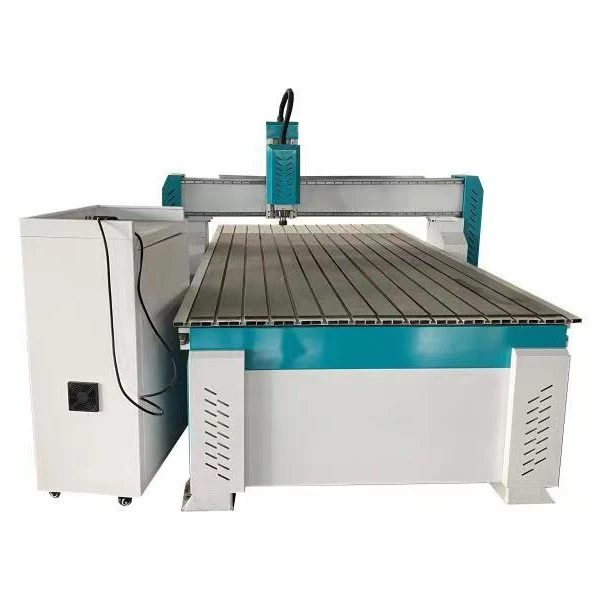
Engraving is perhaps the most popular current usage for laser cutting professionals because it lets them customize pretty much anything. When you engrave using a CO2 laser, you remove the top layer without cutting all the way through the object. From keychains to glassware and apparel, there’s a lot you can do with one of these.
There is a wide array of CO2 laser systems, most of which seldom vary in the overall construction. The most well-known models include the longitudinal-flow and transverse-flow lasers, the sealed-off laser, the waveguide laser, and the TEA laser.
Longitudinal-flow and Transverse-flow Lasers
This type of laser system is relatively simple and frequently used with high production lasers. In longitudinal- and transverse-flow lasers, a laser gas is continuously vacuumed through a discharge tube using a vacuum pump. Through a direct current discharge, part of the carbon dioxide held in the gas compound is split into oxygen and carbon monoxide. Through several pumps in the tube system, the gas mixture is continuously distributed, providing more effective extraction of heat loss.
Sealed-off Laser
In the sealed-off laser, oxygen, water vapor, and hydrogen are added to the gas mixture, rather than being replaced by a pump. These admixtures guarantee that the resulting carbon monoxide reacts via an electrode made of platinum to carbon dioxide. CO2 is consequently catalytically reformed.
Waveguide Laser
The waveguide laser, or slab laser, uses two electrodes as waveguides and includes a resonator which is cuboidal. Due to the cross-section having a high aspect ratio (e.g. height to width 10:1) the resonator has a moderately large surface area compared to the volume. This allows for efficient removal of heat loss.
TEA Laser
The TEA laser, short for “transversely excited atmospheric pressure,” is invariably used when high gas pressures up to one bar are needed with pulse durations up to 100 ns. The discharge voltage is utilized in short pulses of under one microsecond across the gas flow in this laser design. This prevents arcing.
How to maintain your CO2 laser machine
There are general maintenance tasks to carry out on your machine on a regular basis. Dust and debris are inevitably going to occur in every machine. However, it is important to minimise build up by regularly cleaning your machine, particularly the inside of the machine cabinet, the bed and anywhere where material off can collect.
Some materials like acrylic, MDF and woods release more fumes, residue and potentially flammable oils that contribute to this which can affect components of the machine and be a fire hazard if not managed properly. Be sure to check for accumulation of dust and debris on the impeller on the extractor fan unit as any build-up can impede its function (unless a fume filter is fitted).
Periodic maintenance of fan units is essential and should become more regular when processing materials like MDF, or with increased frequency and duration of use. To do this; disconnect the fan unit from the electrical supply, remove the extraction hoses and clean the impeller fan and ducting through the inlet and exhaust ports of the unit using a soft paint brush.
Check for correct operation of the air-assist compressor, including normal function of the compressor itself. Check for any obstruction in any filtration elements that may be present and inspect the delivery hose from the compressor to the cutting head to make sure that there are no obstructions and a suitable supply of air is reaching the nozzle. Reduced airflow to the nozzle can increase the risk of a flame breaking out on some materials whilst the machine is cutting.
Lubricate runners and the rise and fall of the bed using light oil to ensure these run smoothly, if not, friction can cause wear on moving components.
Simple visual inspections and monitoring results can help identify issues with performance before the machine becomes damaged. Testing your beam quality can be as simple as comparing cuts from today with cuts from pieces when machine was new-poor cuts may indicate bad alignment, a weakening laser tube or dirty optics.
Dirty optics reduce the beams strength. You can visually inspect the optics, however you may already notice poor results such as blurry lines, not cutting as deep etc. If optics aren’t cleaned, dirt can combust or burn into the surface of the optic, permanently damaging the lens or mirror. Aim to give them a once over every 10-40 hours of work, depending upon what material are being processed. It’s extremely important to clean these carefully to avoid damaging them, you can use IPA solution or acetone together with some gentle cotton buds for this.
The heat produced by these machines needs regulating. Water chillers are an effective method of keeping the water temperature down to ensure the tube doesn’t overheat. Therefore, it’s important to keep a close eye on chiller performance and monitor any temperature indication on the chiller display. Every few weeks, locate the filters in the chiller and remove any build-up of material. Use this time to check for water contamination and change if required. Use deionised or distilled water as the impurities in regular water can encourage bacterial growth, clogging piping, protection devices and filters in the water circuit.
Our factory


FAQ
Q: 1. What is a CO2 laser machine used for?
Q: 2. Is a CO2 laser the same as a CNC machine?
Q: 3. What materials can a c02 laser cut?
Q: 4. Can you cut Aluminium with a CO2 laser?
Q: 5. How thick of metal can a CO2 laser cut?
Q: 6. Can CO2 laser cut through glass?
Q: 7. What sort of images can I engrave or cut by using CO2 laser machine?
Q: 8. Is it safe to use?
Q: 9. What is the maintenance needed for the CO2 laser machine?
When there is insufficient suction of the fan, first turn off the power supply, remove the inlet and outlet ducts on the fan, remove the dust inside, then turn the fan upside down, and pull out the blades on the inside until they're clean, then install the fan again.
Periodically re-adjust the level of the machine to ensure the accuracy of cutting.
If you use a fume extractor to ventilate air, routine monitoring of the activated carbon inserts and filter is imperative to maintain maximum extraction efficiency.
Q: 10. What are the benefits of buying a laser machine?
Lasers are the ideal technology for working in a wide range of job types and applications. They can both cut and engrave a wide range of materials, giving you professional products in a few simple steps.
CO2 lasers offer you the ability to cut and engrave varying thicknesses of materials such as acrylic, MDF, plywood, paper/card and many, many more!
Q: 11. What are the different types of laser machines?
Q: 12. How does the laser cutting machine find the focus?
Q: 13. What are the application areas of the CO2 laser cutting machines?
Q: 14. What is the difference between RF laser and CO2 laser cutter?
Q: 15. What is the difference between fiber laser cutting machine and laser cutting machine?
Q: 16. How to set up a CO2 laser machine?
Q: 17. How to troubleshoot a CO2 laser machine?
Q: 18. Can a CO2 laser machine be used for 3D engraving?
Q: 19. Can a CO2 laser machine be used for marking and etching serial numbers or logos on products?
Q: 20. How to choose a Co2 laser machine?
Choose a suitable CNC laser machine manufacturer. There are so many Co2 laser machine manufacturers on the market. It is necessary to take time to do some investigations and select a suitable one. Such investigations shall include the professionalism, production capacity, delivery capacity, service level and other aspects of the CNC laser cutter machine manufacturers.
Consider the machine price. When you get the quotation, you need to pay attention to the specific configuration of the Co2 laser engraver. Don't be tempted by the low price blindly Because it may have some parts of poor quality.
Remember to sign a contract with the manufacturer. After you have reached an agreement with the manufacturer and prior to paying the advance, remember to sign a purchase contract. Stipulating the rights and obligations of both parties is helpful for safeguarding the rights and interests of both parties.
We're well-known as one of the leading co2 laser machine manufacturers and suppliers in China. Please rest assured to buy high quality co2 laser machine for sale here from our factory. For price consultation, contact us.