


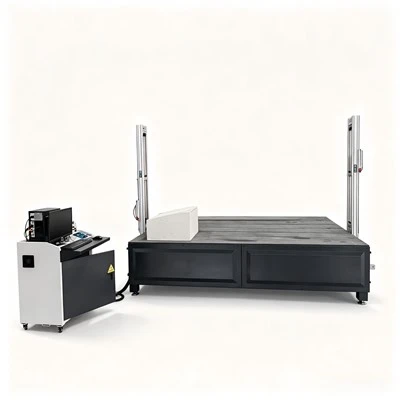
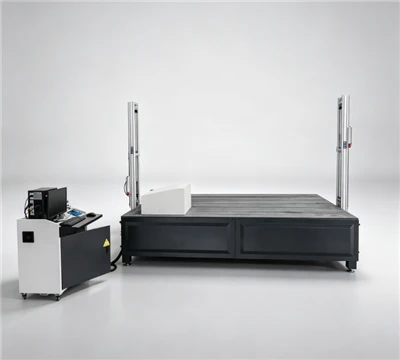
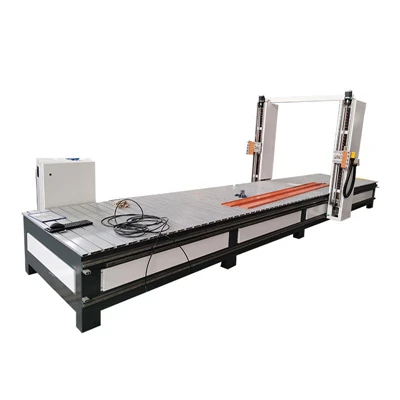
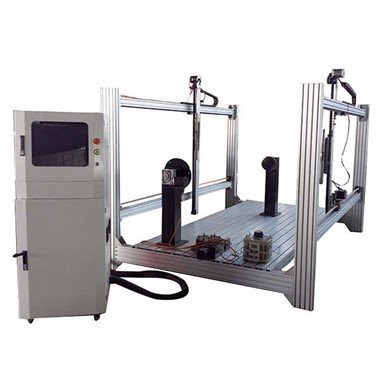
CNC routers are one popular application for CNC machining platforms. As an advanced type of tooling method, CNC routers operate with CAM software programs, a visual programming tool used to create geometric code or simply, g-code, the CNC computer language that operates the CNC machines. G-code controls the basic movement, time, and direction of the tool heads of the machines.
Advantages of Foam CNC Router
Multi-purpose
You can cut and engrave without the need for an alternate tool. You can cut materials precisely and as many times as you need. Reducing frequency of error and wastage.
Efficiency
These machines can be operated by just one person which cuts down on labour costs. The operating speed is up to 25,000 RPM and the tool head can move quickly. Allowing for materials to be processed at an exceptionally high rate. These factors make the machine extremely cost-effective after the initial investment.
Ease of use
CNC routers generally receive their instructions from your software. Once training has been undertaken, the machine is relatively simple to use.
Safety
CNC routers can create large amounts of chippings and dust during the cutting process. They usually come fitted with a dust extraction system comprising of an extractor fan and filter. This minimises the amount of dust leaving the machine and going into the surrounding environment.



Why Choose US
Our Factory
JINAN ZHONGKE CNC EQUIPMENT CO.,LTD is a professional manufacture of CNC machines for more than 15 years, we have our own workshops , warehouse and sample machine display area.
Our Product
We are located in Jinan City ,Shandong province and is specialized in manufacturing CNC routers, nesting CNC machines, CNC plasma cutting machines, laser cutting machines and engraving machines etc. These machines can be usd for wood furniture making, decoration industry, advertising industry, art field, mold production field, etc. Also have SGS, CE certification, etc.
Professional Team
With an experienced and professional team, we have exported our products to many countries and regions all over the world, especially America, Europe, Oceania and Southeast Asia. At the same time, we have a professional technical team, which can carry out on-site training and after-sales.
Rich Experience
We enjoy a good reputation among our customers. We welcome customers, business associations and friends from all parts of the world to contact us and seek cooperation for mutual benefits.
What Materials Can a CNC Router Cut


Woods
Woods are the most common component that used to be routed by using CNC routers. Each type of wood is different from the other on the basis of density, texture, hardness, stiffness, toughness etc. Some of them contain natural cellulose, lignin, sap or resin. So, it is really important to remember that the woods might have different textures from time to time because of the above stated ingredients in them. Therefore, make sure that the woods you are going to apply your CNC router on must be dried well.
Solid surface like stone and ceramic
Sedimentary stone with low toughness like granite, sandstone, and common ceramics can be cut by CNC routers. Most of the time CNC routers are applied on such stiff materials in order to provide finished edges to the materials. You need to choose hard abrasive ends to route hard stone materials and require an instant cooling system for cooling the materials immediately after cutting.
Metals
Metals like aluminium, alloys of brass, pure copper, gold, lead can be routed by using a CNC router. But you need to take extreme care while applying a CNC router on them. Always try to keep your cutting environment temperature ambient as CNC routers produce extremely hot temperatures while spinning fast. Along with that choose the cutting ends according to the materials' density and after determining the hardness of the same.
Hard plastic material
Poly methyl-methacrylate products or hard plastic materials behave well while cutting with CNC routers. Hard plastics are stiff enough so they require less aggressive channeled cutting ends of the router that cut the materials effectively without wasting. Try to create shallow cuts and keep the work environment temperature tolerant and cool. Otherwise, the faster speed of the router will create a hot ambience and melt the plastic while cutting.
Soft polyethylene sheets
Low density polyethylene or soft plastic materials are easily and quickly cut by the CNC routers. Such polymer products can produce curls or long chips while cutting with blunt and abrasive cutting ends. Moreover, soft plastic's melting point is also lower than hard plastic. So the user needs to maintain a cool ambient temperature and set sharp end cutters for cutting soft plastic materials. Avoid deep cutting at once, try to make shallow cuts instead and control the temperature by using a fan while applying automated CNC routers.
Foam based materials
CNC routers are easy going on Polymer foam based sheets. The characteristics of these materials are that they are of low shear strength which makes them cutting or shaping effortlessly quicker than other materials. Just make sure that you try to use sharp cutting ends with aggressive channels of high RPM rate and avoid abrasive or shallow ended cutting ends while using the router on foam based materials.
What Are the Structures of the CNC Router
Bed structure
Including gantry, base, table, spindle unit, control cabinet, etc.
CNC router spindle
Spindles are divided into air-cooled spindles and water-cooled spindles according to different cooling methods. When processing different materials, the power and speed of the spindle are also different, which should be selected according to the actual processing materials and work efficiency requirements.
Drive system
The drive system is the drive components and motion units that perform machine operation, including the spindle drive unit, spindle motor, feed unit and feed motor, guide rails, sliders, etc. Through the command signal issued by the control system, multiple drive units work together to complete the positioning and processing of the plane or 3D workpiece.
Motor
CNC router motors have stepper motors and servo motors. The main function is to convert the pulse signal of the numerical control device into the movement of the moving parts of the cnc wood router, so that the machine can work according to the instructions of the numerical control device.
Stepper motors are suitable for small size or CNC routers that do not require too high processing speed, which is an economical solution for general engraving and cutting needs. Servo motors are suitable for CNC routers that large scale or require high-speed processing, and have better processing results for applications that require improved positioning accuracy and resolution.
Inverter
A frequency converter is a power control device that converts a power frequency power supply into another frequency by using the on-off function of a power semiconductor device.
Rails
There are round rails and square rails. The square guide rail can withstand high load pressure in four directions, with high positioning accuracy and small friction coefficient, which can maintain the walking accuracy for a long time. Currently, all CNC routers produced by our factory use square guide rails.
Transmission mode
The CNC router has two ways of screw drive and rack and pinion drive. Small CNC machine tools such as 6090 CNC router and 6012 CNC router adopt screw drive mode, which has higher precision. Large CNC machine tools such as 1325 CNC router and 1530 CNC router adopt rack and pinion transmission mode, which can provide higher running speed without compromising accuracy.
Control system
The control system is the core of the CNC machine tool, including the control board, the control panel, the data transmission line, the display and the corresponding digital program. It is used to complete the storage of information, the transformation of data, the interpolation operation and the realization of various control functions.
CNC router table
There are aluminum T-slot workbench, vacuum adsorption workbench, T-slot and vacuum combination workbench. The aluminum T-slot workbench has a good effect on the fixation of small-sized sheets or hollow sheets. The vacuum adsorption table is more convenient and efficient for fixing large-sized sheets or irregular sheets.
Other auxiliary devices
Rotary axis for 3D machining of cylindrical materials. The vacuum cleaner, during the engraving and cutting process of the machine, collects other wastes such as sawdust through the vacuum tube into the dust bag to maintain the cleanliness of the workshop environment. Water-cooled circulation device, pneumatic device, tool changer, tool setting instrument, sensing device, etc.
CNC Router Applications in Manufacturing
Aerospace Industry
The aerospace industry demands the highest levels of precision and reliability. CNC routers are invaluable in this sector, enabling the production of intricate components with exacting tolerances. From aircraft panels to complex turbine parts, CNC routers ensure that every piece meets stringent specifications. The result? Enhanced performance, safety, and reduced material waste.
CNC routing in aerospace often involves materials like aluminum and composites, which require precise cutting and milling. The ability to produce lightweight yet strong components is crucial, and CNC technology makes this possible. These machines also support the production of prototypes, allowing engineers to test designs before full-scale manufacturing.
Automotive Industry
In the fast-paced automotive industry, speed and precision are paramount. CNC routers play a crucial role in manufacturing car parts, from engine components to interior panels. These machines offer unparalleled consistency and quality, significantly reducing production times and costs. This efficiency helps automotive companies keep up with market demands and maintain a competitive edge.
CNC machines can cut various materials used in automotive manufacturing, such as plastics, metals, and composites. The use of CNC technology in producing complex shapes and intricate designs ensures that every part fits perfectly and functions as intended. This precision is vital for maintaining safety standards and improving vehicle performance.
Furniture Manufacturing
Gone are the days when furniture production was solely reliant on manual craftsmanship. CNC routers have revolutionized the furniture industry by allowing for intricate designs and mass production. Whether it's a bespoke piece or a large batch of products, CNC routers ensure high precision and reduced labor costs. This technology enables furniture manufacturers to deliver high-quality products quickly and efficiently.
CNC wood routers are particularly popular in furniture making, where materials such as wood and MDF are commonly used. These machines can produce detailed carvings and cut complex shapes, making it easier to create unique and attractive furniture pieces. Additionally, CNC routers streamline the production of cabinet making, allowing for precise cuts and efficient assembly.
Signage and Advertising
CNC routers have transformed the signage and advertising industry by enabling the creation of precise, customized signs from various materials such as wood, acrylic, and metal. These machines can produce detailed and intricate designs that catch the eye and make a lasting impression. For businesses, this means the ability to offer clients unique, high-quality signage solutions that stand out in a crowded marketplace.
The use of CNC technology in sign making allows for the automation of the cutting process, ensuring consistent quality across multiple signs. CNC routers can engrave detailed logos and text, produce 3D carvings, and cut various shapes, making them ideal for creating eye-catching advertisements. Materials like acrylic and wood panels are commonly used, and the precision of CNC routers ensures a flawless finished product.
Read the User Manual
Familiarize yourself with the manufacturer's guidelines and recommendations in the user manual. Pay special attention to your CNC router model's safety instructions and operational procedures.
Wear Appropriate Personal Protective Equipment (PPE)
Always wear safety glasses to protect your eyes from flying debris.
Use hearing protection, especially if your CNC router generates high noise levels. In addition, wear appropriate clothing, including closed-toe shoes and snug-fitting garments, to prevent entanglement with moving parts.
Secure the Workspace
Ensure the work area is well-lit and clutter-free to prevent tripping hazards. Establish clear pathways and emergency exits in case of unforeseen events. Keep bystanders away from the operating machine.
Check and Maintain Tools
Regularly inspect and maintain cutting tools and ensure the toolpath is clear and free of any obstructions before starting the CNC router. Replace worn-out or damaged tools promptly to prevent accidents and maintain cutting precision.


Material Setup
Be sure to securely fasten the material you will be working on to the router bed using appropriate clamps or fixturing devices. Double-check material dimensions to avoid collisions and ensure accurate cutting.
Emergency Stop Procedures
There will be times when you must immediately stop any production process already underway for safety and other reasons. Familiarize yourself with the emergency stop system of your machine. As you review the CNC router tutorial in the user's guide, test the emergency stop feature before starting any operation to ensure its immediate effectiveness.
Dust Collection System
Many CNC routers will include a dust collection system to minimize airborne particles and maintain a clean workspace. Empty and clean the dust collector regularly to prevent clogs and maintain optimal performance.
Power Supply and Connections
Finally, ensure the CNC router is properly grounded before cutting to prevent electrical hazards. Regularly inspect power cords and connections for any signs of wear or damage before using your machine.
Adhering to these safety precautions sets the foundation for safety on your production floor. In the subsequent sections of this guide, we'll delve into the step-by-step process of setting up and operating your CNC router, exploring its full potential while keeping safety at the forefront of your workflow.
Top 10 Tips for CNC Router Maintenance
Consider the location of your machine
Before your CNC router is delivered, think about its space and location. You will need to allocate enough space for the woodworking machine, as well as the fencing surrounding it. You will also need to take into account the required dust extraction system and trapping points. Suitable flooring such as concrete and solid wood is advised but you don't need to worry about the level of flooring as many of our machines can be adjusted to uneven grounds by VWM's specialist team of technicians.
Maintain temperature control
Consistent temperature within your workshop is advised. Many of our CNC routers come with their own built-in fans and cooling systems, but like with all metals - machinery can contract in sudden changes of temperature - which can affect the accuracy of the cutting forms. This can be very subtle, but speak with our team of CNC experts should you have any concerns before purchasing your CNC router.
Give it a daily, general clean
Housekeeping is crucial. Each time you have finished working on your CNC router, clean it down and sweep the table. A fibre towel and vacuum is the best method for this. Cleaning up chips around the linear rails is also crucial to avoid jams, as well as the cleaning of filters when necessary. Checking your hood and tool grippers condition is also good practice as well as cleaning the Z axis ball screw when needed.
Check the electrical cabinet
The electrical cabinets within our CNC routers are well sealed to prevent dust and debris from getting in. While it's not something you would need to check daily, it's worth checking periodically. Depending on how often you use your CNC router, the foam in the filter will need cleaning / replacing during its service. Our specialist team at VWM will be able to advise on this once you've signed up to one of our servicing & maintenance packages.
Lubricate your CNC router often
All CNC routers need regular lubrication to operate efficiently, particularly the ball nuts, bearings and linear rails. Be sure to follow the manufacturer's guidance on not only what lubricant to use but also how much and how often various parts need lubrication. This will depend on its level of use.
If you are using a CNC router from our Technos range, they come equipped with an automatic lubrication system, but checking the lube tank is filled with a suitable level of 68 Grade Slideway Oil should be part of your daily maintenance checks.
Keep check on your woodworking machine's surroundings
As part of your health and safety checks, there are many important factors to take into account. Ensure your emergency stops are in good working order, as well as light beams and gate switches. It's important to note that all gates (if fitted) are on switches- when a member of your team enters and leaves the machine area - the machine will be put in a feed hold. Resulting in the machine motionless until the gate is correctly shut and the error is cleared.
Check the spindle motor coolant / cooling fan
Clean cooling water is essential in CNC routers. If this water is dirty, it could damage the motor and stop the machine from working. At VWM, we recommend mixing deionised water with antifrogen all year around, to eliminate the risk of rust and to ensure the spindle in your CNC Router is pumping clean water through reliably. As with many of our CNC routers, they are fitted with a refrigeration system, to ensure the water remains cool, therefore it's also important to check the cooling fans are working as they should.
Cross-check the maintenance schedule from your manufacturer / supplier
For the best advice on what regular maintenance is needed for your CNC router, the manufacturer's handbook is a sensible place to look. VWM will also be able to offer you more personalised advice, based on how often your machine is being used.
We also offer training and support, as well as ongoing advice when required. To operate a CNC router correctly and safely, you and your team will need to be fully certified. Get in touch today to find out more.
Make inspections part of your routine
Inspect your machine and look and hear for any signs that something is not right. Check that all the moving parts of the machine are in good order and note if any parts need replacing. Remember to always do inspections with the power turned off!
Stock your own spares
It makes perfect sense to keep parts that wear out quickly (such as CNC router bits, tool grippers and vacuum rubbers) in stock. This not only saves you time in waiting for a new part to arrive but also means you have minimal disruption to your workflow when the old one runs out.
FAQ
We're well-known as one of the leading foam cnc router manufacturers and suppliers in China. Please rest assured to buy high quality foam cnc router for sale here from our factory. For price consultation, contact us.
cnc router type, cnc router working, cnc router specification