How to ensure the stability of a CNC Router during operation?
Leave a message

As a supplier of CNC routers, ensuring the stability of these machines during operation is not only crucial for the performance of the equipment but also for the satisfaction and productivity of our customers. In this blog, I will share some key strategies and practices that can help maintain the stability of a CNC router.
1. High - Quality Machine Design and Manufacturing
The foundation of a stable CNC router lies in its design and manufacturing. At our company, we invest heavily in research and development to create routers with robust structures. A well - designed frame provides a solid base for the moving parts of the machine. For example, using high - grade steel or aluminum alloy in the construction of the frame can enhance its rigidity and resistance to vibrations.
When it comes to the linear guides and ball screws, which are responsible for the precise movement of the cutting tools, we source only the best components. High - precision linear guides ensure smooth and accurate motion, while high - quality ball screws can transmit power efficiently and reduce backlash. This precision in movement is essential for maintaining stability during operation.
Our 4 Axis RotaryCNC Router is a prime example of our commitment to quality design. It is engineered to handle complex 3D carving and milling tasks with high stability, thanks to its well - crafted frame and top - notch motion components.
2. Proper Installation and Commissioning
Even the best - designed CNC router can experience stability issues if it is not installed correctly. Our installation team is highly trained to ensure that the machine is leveled and aligned properly. A misaligned machine can cause uneven stress on the components, leading to premature wear and instability during operation.
During the commissioning process, we conduct a series of tests to fine - tune the machine settings. This includes calibrating the cutting speed, feed rate, and spindle speed. These parameters need to be optimized according to the material being processed and the type of cutting operation. For instance, when working with hard materials like metal, a slower cutting speed and appropriate feed rate are required to prevent excessive vibration and ensure a stable cut.
3. Regular Maintenance
Regular maintenance is the key to keeping a CNC router stable over its lifespan. We recommend a comprehensive maintenance schedule that includes daily, weekly, and monthly checks.
Daily Checks
- Clean the machine thoroughly after each use to remove chips and debris. This prevents the accumulation of material that could interfere with the movement of the components.
- Check the lubrication levels of the linear guides and ball screws. Proper lubrication reduces friction and wear, ensuring smooth operation.
Weekly Checks
- Inspect the belts and pulleys for signs of wear or damage. Worn belts can cause slipping, which affects the accuracy and stability of the machine.
- Check the electrical connections to ensure they are tight and free from corrosion. Loose connections can lead to electrical issues and instability.
Monthly Checks
- Calibrate the machine's axes to maintain accuracy. Over time, the axes can drift slightly, and regular calibration helps to correct any deviations.
- Examine the spindle for any signs of vibration or abnormal noise. A faulty spindle can cause significant instability during operation.
4. Operator Training
A well - trained operator is an important factor in ensuring the stability of a CNC router. Our training programs cover all aspects of machine operation, from basic control panel functions to advanced programming.
Operators need to understand the limitations of the machine and how to select the appropriate cutting parameters. For example, they should know when to adjust the spindle speed based on the material hardness and the depth of cut. Incorrect parameter selection can lead to excessive stress on the machine, resulting in instability.
In addition, operators should be trained to recognize early signs of instability, such as unusual vibrations or noises. By detecting these issues early, they can take corrective actions before they cause more serious problems.
5. Material Selection and Preparation
The type and quality of the material being processed can also affect the stability of a CNC router. Different materials have different properties, such as hardness, density, and grain structure, which can impact the cutting process.
We recommend using high - quality materials that are free from defects. For example, if there are knots or cracks in a wooden workpiece, it can cause the cutting tool to bounce, leading to instability.
Proper material preparation is also important. This includes ensuring that the material is properly secured to the worktable. If the workpiece is not firmly held, it can move during cutting, causing vibrations and affecting the stability of the machine.
6. Environmental Considerations
The operating environment of a CNC router can have a significant impact on its stability. The machine should be placed in a clean, dry, and temperature - controlled environment.
Dust and humidity can cause corrosion and damage to the electrical and mechanical components of the machine. High temperatures can also affect the performance of the spindle and other heat - sensitive parts. Therefore, it is important to maintain a stable temperature and humidity level in the workshop.


In addition, the machine should be isolated from sources of vibration, such as heavy machinery or traffic. Vibration from external sources can be transmitted to the CNC router, causing instability during operation.
7. Software and Control System
The software and control system of a CNC router play a vital role in ensuring stability. Our routers are equipped with advanced control systems that offer precise control over the cutting process.
The software allows for accurate programming of the cutting path, which ensures that the machine moves smoothly and efficiently. It also provides real - time monitoring of the machine's performance, allowing operators to detect and address any issues immediately.
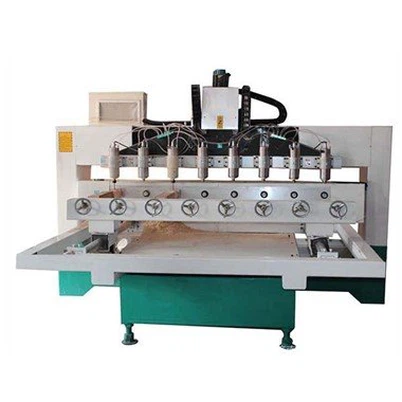
For example, our 8 Spindles Relief Cnc Engraving Machine uses state - of - the - art software that can synchronize the operation of multiple spindles, ensuring high - precision and stable engraving.
8. Upgrades and Improvements
As technology advances, we continuously strive to improve the performance and stability of our CNC routers. We offer upgrade options for our existing customers to enhance the capabilities of their machines.
Upgrades can include new control systems, more powerful spindles, or improved motion components. These upgrades not only improve the stability of the machine but also increase its productivity and versatility.
For example, upgrading to a more advanced control system can provide better control over the cutting parameters, resulting in more stable and accurate cuts.
In conclusion, ensuring the stability of a CNC router during operation requires a comprehensive approach that includes high - quality design, proper installation, regular maintenance, operator training, and environmental management. By following these strategies, our customers can enjoy reliable and efficient operation of their CNC routers.
If you are interested in purchasing a CNC router or have any questions about ensuring its stability, we invite you to contact us for further discussion. Our team of experts is ready to assist you in finding the best solution for your specific needs.
References
- "CNC Machining Handbook"
- "Precision Machine Design and Manufacturing"
- Industry reports on CNC router technology and performance