What is the dust collection system for a CNC router?
Leave a message

Hey everyone! As a supplier of CNC routers, I've been getting a ton of questions about dust collection systems. In this blog, I'm gonna break down what a dust collection system for a CNC router is, why it's so important, and how to choose the right one for your needs.
First off, let's talk about what a dust collection system actually does. When you're using a CNC router, it cuts, carves, and engraves various materials like wood, plastic, and metal. This process generates a whole lot of dust and debris. If you don't have a proper dust collection system in place, that dust can spread all over your workspace, posing health risks to you and your employees. Breathing in dust particles can cause respiratory problems, allergies, and in some cases, even more serious long - term health issues.
Besides the health aspect, dust can also damage your CNC router. It can get into the moving parts, like the motors, bearings, and linear guides, causing them to wear out faster. This not only means more frequent maintenance but also higher repair costs in the long run. And let's not forget that a dusty workspace makes it harder to see what you're doing, which can affect the quality of your work.
So, what exactly is a dust collection system for a CNC router? Well, it's basically a setup that captures and removes the dust and debris generated during the machining process. There are a few different types of dust collection systems, and I'll go through them one by one.
Types of Dust Collection Systems
-
Portable Dust Collectors: These are great for small - scale operations or for those who don't have a lot of space. Portable dust collectors are usually compact and easy to move around. They typically come with a small motor and a collection bag or bin. You can connect them directly to your CNC router using a hose. For example, if you're working with a 4040 Model Advertising Engraving Machine, a portable dust collector might be a perfect fit. It can be easily set up next to your machine and quickly clean up the dust as you work.
-
Centralized Dust Collection Systems: These are more suitable for larger workshops or factories. A centralized system has a big motor and a network of ducts that connect to all the CNC routers in your workspace. It can handle a large volume of dust and is very efficient at keeping your entire area clean. However, it's a more expensive and complex setup, as it requires professional installation and regular maintenance.
-
Cyclone Separators: Cyclone separators are often used in combination with other dust collection systems. They work by using centrifugal force to separate the dust from the air. The heavy dust particles are spun to the outside of the cyclone and collected in a bin at the bottom, while the cleaner air moves up and is further filtered. This can extend the life of your main dust filter and make the overall system more effective.
How to Choose the Right Dust Collection System
Now that you know the different types of dust collection systems, how do you choose the right one? Here are a few factors to consider:
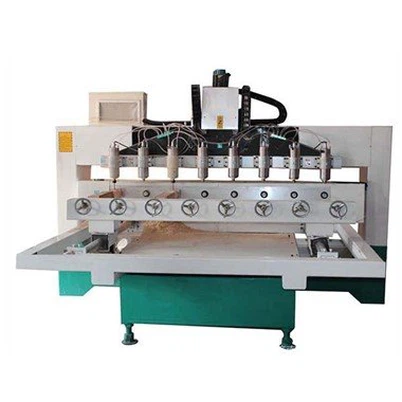
- Size of Your Workspace: If you have a small workshop, a portable dust collector might be enough. But if you have multiple CNC routers and a large area to cover, a centralized system is probably the way to go. For instance, if you're using a 4 Axis RotaryCNC Router along with other machines, a centralized system can ensure that all the dust is collected effectively.
- Type of Material You're Working With: Different materials generate different amounts and types of dust. For example, wood dust is lighter and can be more easily airborne, while metal dust is heavier and can be more abrasive. If you're working mainly with wood, a system with a medium - sized air flow might be sufficient. But if you're working with metal, such as when using a 6060 Metal Cnc Engraving Machine, you'll need a more powerful system with better filtration to handle the heavier dust particles.
- Budget: Of course, your budget plays a big role in deciding which system to buy. Portable dust collectors are generally more affordable, while centralized systems can be quite expensive. You also need to consider the cost of installation, maintenance, and replacement filters.
Installation and Maintenance
Once you've chosen the right dust collection system, proper installation is crucial. Make sure the hoses are properly connected to your CNC router and the dust collector. The ducts in a centralized system should be installed in a way that allows for smooth air flow.
Maintenance is also important. Regularly clean the collection bins or bags to prevent them from getting clogged. Check the filters and replace them when they're dirty. If you have a cyclone separator, make sure it's functioning properly and clean out the dust from the bottom bin regularly.
Conclusion
A dust collection system is an essential part of any CNC router setup. It not only protects your health and the health of your employees but also helps to keep your CNC router in good working condition and improves the quality of your work. Whether you're a small - scale hobbyist or a large - scale manufacturer, investing in a good dust collection system is a must.
If you're looking to purchase a CNC router or need advice on choosing the right dust collection system, feel free to reach out. We're here to help you make the best decision for your business. Let's work together to create a cleaner, safer, and more efficient workspace!


References
- Woodworking Machinery Safety: OSHA Guidelines
- Industry Research Reports on CNC Router Accessories