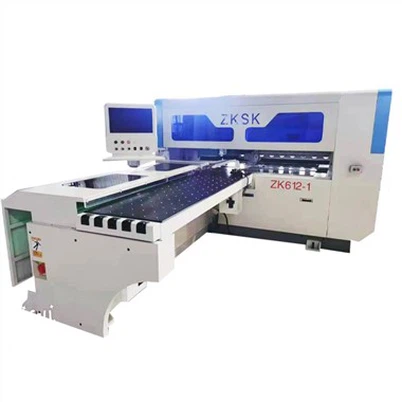
Optimizing Woodshop Operations: CNC Nesting Raw Material Handling Machine Benefits
Leave a message
Introduction
Woodworking shops today face mounting pressure to deliver high-quality products quickly and efficiently while minimizing material waste. Traditional methods of handling raw materials, measuring, and cutting often involve significant manual labor, creating opportunities for human error and slowing down production. As manufacturers aim to remain competitive, adopting advanced machinery has become essential.
One transformative solution is the CNC nesting raw material handling machine. This technology combines the precision of computer-controlled cutting with intelligent material handling systems. By automating the movement, placement, and nesting of raw materials, woodworking shops can achieve greater efficiency, reduce waste, and maintain consistent product quality. Both small workshops and large factories can benefit from this type of smart upgrade.
This article explores the benefits of integrating CNC nesting raw material handling machines into woodshop operations, highlighting their impact on efficiency, precision, workflow optimization, and overall cost savings.
Streamlining Raw Material Management
Efficient Material Loading and Organization
One of the primary advantages of the CNC nesting raw material handling machine is its ability to automate the loading and organization of raw materials. Traditional processes often rely on manual labor, requiring operators to lift, align, and position heavy sheets of wood or panels. This approach is not only time-consuming but also increases the risk of errors or material damage.
With a CNC material handling system, sheets are automatically loaded onto the cutting area, aligned precisely, and prepared for nesting. This automation ensures that materials are positioned correctly every time, reducing the chances of misalignment or wasted cuts. Manufacturers implementing these machines report fewer material handling mistakes, improved workplace safety, and smoother production workflows.
Inventory and Space Optimization
CNC nesting raw material handling machines also help optimize inventory management and factory space. By organizing sheets and panels efficiently, these machines allow factories to store more materials in less space, creating a cleaner and more organized production area.
Integration with digital inventory systems enables real-time tracking of material availability. Woodshop operators can easily monitor stock levels, anticipate shortages, and plan production schedules accordingly. This capability reduces downtime caused by missing materials and ensures that factories can maintain consistent throughput.
Reducing Material Waste
Material efficiency is a critical concern for manufacturers. Traditional cutting methods often result in large offcuts and scrap, especially when handling irregular shapes or complex designs. CNC nesting software calculates optimal cutting layouts, ensuring that each sheet of material is used as efficiently as possible.
By minimizing waste, factories save both money and resources. Many manufacturers report that integrating a CNC nesting raw material handling machine leads to a 15-30% reduction in scrap material. Additionally, reducing waste aligns with sustainable production practices, an increasingly important consideration for environmentally conscious woodworking businesses.
Enhancing Production Precision and Workflow
Accurate Cutting and Nesting
Precision is a hallmark of CNC technology. The CNC nesting raw material handling machine ensures that sheets are correctly aligned and placed for cutting, allowing CNC routers or saws to execute perfectly accurate cuts. This consistency is particularly valuable for manufacturers producing large volumes of cabinetry, furniture, or panels that require tight tolerances.
Unlike manual handling, where small deviations can accumulate and affect final product quality, CNC automation guarantees repeatable results. This precision reduces the need for rework, saving time and labor costs while enhancing the overall quality of factory output.
Seamless Integration with Woodshop Machinery
Another key benefit is the machine's ability to integrate seamlessly with other woodworking equipment. CNC material handling systems are compatible with routers, saws, and other cutting machinery, ensuring a smooth transition from material loading to cutting and nesting.
This integration creates a coordinated workflow, where raw materials are automatically moved to the correct cutting stations without manual intervention. Manufacturers find that this reduces bottlenecks and optimizes machine utilization, resulting in higher productivity across the factory floor.
Faster Turnaround and Increased Throughput
Speed is critical in modern woodshops. By automating raw material handling and nesting, CNC systems significantly reduce the time needed for preparation and setup. This acceleration allows factories to meet tight production deadlines without compromising accuracy.
High-volume manufacturers benefit from faster throughput and consistent output, while smaller shops gain the ability to handle more complex or customized orders efficiently. The combination of speed and precision makes CNC nesting raw material handling machines a valuable investment for any woodworking operation.
Supporting Advanced Woodshop Applications
Custom Furniture and Specialty Projects
The flexibility of CNC material handling machines makes them ideal for custom furniture production. Small workshops or boutique manufacturers often deal with irregularly shaped panels, intricate designs, or unique orders that require careful handling.
With automated nesting and material placement, operators can efficiently manage these complex projects without increasing setup time or risking mistakes. This capability allows manufacturers to expand their offerings and provide high-quality, customized products while maintaining operational efficiency.
Large-Scale Production
Factories producing cabinets, doors, or flooring panels on a large scale also benefit from CNC material handling systems. These machines can handle high volumes of sheets continuously, reducing the need for manual labor and ensuring consistent quality.
By automating repetitive tasks, manufacturers can focus on more skilled aspects of production, such as quality control or design enhancements. The result is a more streamlined factory operation capable of meeting large orders without sacrificing precision.
Specialty Materials Handling
In addition to standard wood panels, modern CNC nesting raw material handling machines can accommodate specialty materials such as plywood, MDF, composite boards, or even delicate hardwoods.
Automated handling minimizes the risk of damage, ensuring that premium or fragile materials are cut accurately. For manufacturers working with expensive or high-end products, this precision protects material value and reinforces the reputation of the factory for quality and reliability.
Cost-Benefit and Operational Considerations
Investment and Long-Term Savings
Acquiring a CNC nesting raw material handling machine requires a significant initial investment. Costs include the machinery itself, installation, software, and training. However, the long-term benefits often outweigh the upfront expense.
By reducing material waste, minimizing labor requirements, and increasing production speed, manufacturers can achieve a strong return on investment within a few years. For factories handling high-value materials or large orders, the financial advantages are especially pronounced.
Workforce Adaptation
While automation transforms workflow, it does not eliminate the need for skilled staff. Operators must be trained to program the CNC machine, oversee operations, and perform maintenance.
This shift allows employees to focus on higher-value tasks, such as quality assurance, design, and problem-solving. Manufacturers often find that integrating automation improves job satisfaction, reduces repetitive labor, and enhances overall workforce efficiency.
Sustainability and Eco-Friendly Practices
Sustainability is becoming a critical factor in manufacturing decisions. CNC nesting raw material handling machines contribute to eco-friendly production by minimizing waste and optimizing resource usage.
Factories can market these improvements as part of their commitment to green practices, appealing to environmentally conscious clients. Additionally, better material utilization allows manufacturers to experiment with recycled or reclaimed materials, further reducing environmental impact.
Conclusion
The CNC nesting raw material handling machine is a powerful tool for optimizing woodshop operations. By automating raw material placement, nesting, and workflow coordination, this technology enhances precision, reduces waste, and increases throughput. Both small workshops and large factories benefit from improved efficiency, faster turnaround times, and consistent product quality.
For manufacturers looking to remain competitive, investing in CNC material handling systems represents more than a technological upgrade-it is a strategic step toward smarter, more sustainable, and more productive woodshop operations. As the woodworking industry continues to evolve, adopting these smart solutions ensures that factories can meet modern demands while maintaining high standards of quality and efficiency.