

Can a Laser Welding Machine be used for welding brass?
Leave a message

Hey there! As a supplier of laser welding machines, I often get asked if our machines can be used for welding brass. Well, let's dive right into this topic and find out.
First off, brass is an alloy made up of copper and zinc. It's widely used in various industries, like plumbing, electrical, and jewelry, because of its good corrosion resistance, malleability, and electrical conductivity. But when it comes to welding brass, there are some unique challenges.

One of the main issues with welding brass is the high vaporization temperature of zinc. When you heat brass during the welding process, the zinc can start to vaporize before the copper fully melts. This can lead to some problems, like porosity in the weld, which weakens the joint. Also, the vaporized zinc can create fumes that are not only a health hazard but can also affect the quality of the weld.
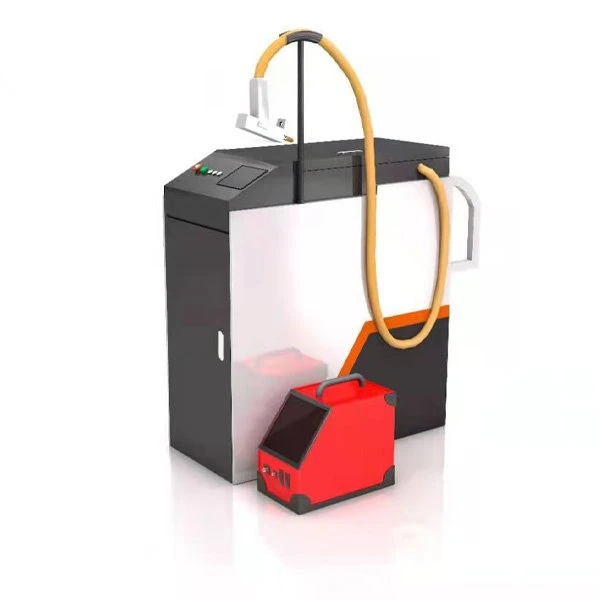
Now, let's talk about laser welding machines. These machines use a highly concentrated beam of light to melt and join materials. They offer a lot of advantages over traditional welding methods, such as high precision, minimal heat-affected zones, and the ability to weld small and intricate parts.
So, can a laser welding machine be used for welding brass? The answer is yes, but with some considerations.
Advantages of Using a Laser Welding Machine for Brass
- Precision: Laser welding machines can focus the laser beam on a very small area, which is great for welding brass components that require high precision. This is especially important in industries like jewelry making, where intricate designs are common. For example, if you're making a delicate brass necklace, a laser welding machine can ensure that the joints are strong and invisible.
- Minimal Heat-Affected Zone: Since the laser beam delivers heat very precisely, the area around the weld that gets heated up is minimal. This is crucial when welding brass because excessive heat can cause the brass to change its properties, like its color or hardness. With a laser welding machine, you can avoid these issues and maintain the integrity of the brass.
- Speed: Laser welding is generally faster than traditional welding methods. This means you can increase your production efficiency when welding brass components. Whether you're manufacturing brass pipes or electrical connectors, a laser welding machine can help you get the job done quicker.
Challenges and How to Overcome Them
- Zinc Vaporization: As mentioned earlier, the high vaporization temperature of zinc is a major challenge when welding brass. To overcome this, you can use a laser welding machine with a pulsed laser. Pulsed lasers deliver short bursts of energy, which can help reduce the amount of time the brass is exposed to high temperatures. This minimizes the vaporization of zinc and reduces the formation of porosity in the weld.
- Weld Quality: To ensure high-quality welds, it's important to choose the right laser parameters, such as power, pulse duration, and frequency. You may also need to use a shielding gas, like argon, to protect the weld from oxidation and the fumes generated by the vaporized zinc. Additionally, proper surface preparation of the brass is essential. Make sure the brass is clean and free of any contaminants before welding.
Our Laser Welding Machines for Brass Welding
At our company, we offer a range of laser welding machines that are suitable for welding brass. For example, our Handheld Optical Fiber Marking Machine 1500W is a versatile machine that can be used for both marking and welding brass. It offers high precision and is easy to operate, making it a great choice for small businesses and hobbyists.
If you're looking for a machine specifically designed for welding larger brass components, our Aluminum Laser Welding Machine can also be used for brass welding. It has a higher power output and can handle thicker brass materials.
Tips for Welding Brass with a Laser Welding Machine
- Test Welds: Before starting a large production run, it's always a good idea to do some test welds on scrap brass pieces. This will allow you to adjust the laser parameters and ensure that you're getting the desired weld quality.
- Use the Right Nozzle: The nozzle of the laser welding machine plays an important role in directing the laser beam and the shielding gas. Make sure you choose a nozzle that is suitable for welding brass.
- Monitor the Weld: During the welding process, keep an eye on the weld to make sure everything is going smoothly. Look for any signs of porosity, cracks, or other defects. If you notice any issues, stop the welding and make the necessary adjustments.
In conclusion, a laser welding machine can be a great tool for welding brass, but it's important to understand the challenges and take the necessary precautions. With the right machine, parameters, and techniques, you can achieve high-quality welds on brass components.
If you're interested in learning more about our laser welding machines or have any questions about welding brass, feel free to reach out to us. We're here to help you find the best solution for your welding needs. Let's start a conversation and see how we can work together to improve your brass welding processes.
References
- "Laser Welding: Principles and Applications" by John C. Ion
- "Welding of Non-Ferrous Metals" by David A. S. Rees




