How to improve the surface finish of a cut made by a CNC Router?
Leave a message

As a provider of CNC routers, I understand the critical role that surface finish plays in the quality of the cuts made by these machines. A smooth and precise surface finish not only enhances the aesthetic appeal of the final product but also improves its functionality and durability. In this blog post, I will share some valuable insights and practical tips on how to improve the surface finish of a cut made by a CNC router.
Understanding the Factors Affecting Surface Finish
Before delving into the specific techniques for improving surface finish, it is essential to understand the various factors that can influence the quality of the cut. These factors can be broadly categorized into three main areas: machine-related factors, tool-related factors, and material-related factors.
Machine-Related Factors
- Spindle Speed: The spindle speed determines the rotational speed of the cutting tool. A higher spindle speed generally results in a smoother surface finish, as it reduces the amount of heat generated during the cutting process and minimizes the chances of tool chatter. However, it is important to note that the optimal spindle speed depends on the type of material being cut and the diameter of the cutting tool.
- Feed Rate: The feed rate refers to the speed at which the cutting tool moves across the material. A slower feed rate allows the cutting tool to remove material more gradually, resulting in a smoother surface finish. However, a feed rate that is too slow can lead to excessive heat buildup and tool wear, while a feed rate that is too fast can cause the cutting tool to break or produce a rough surface finish.
- Z-Axis Depth of Cut: The Z-axis depth of cut determines the amount of material that is removed in each pass of the cutting tool. A smaller depth of cut generally results in a smoother surface finish, as it reduces the amount of stress on the cutting tool and minimizes the chances of tool deflection. However, a depth of cut that is too small can increase the number of passes required to complete the cut, which can increase the overall machining time.
- Machine Rigidity: The rigidity of the CNC router plays a crucial role in determining the surface finish of the cut. A rigid machine minimizes the amount of vibration and deflection during the cutting process, resulting in a smoother and more precise surface finish. On the other hand, a machine that is not rigid enough can cause the cutting tool to vibrate and produce a rough surface finish.
Tool-Related Factors
- Tool Geometry: The geometry of the cutting tool, such as the number of flutes, the helix angle, and the rake angle, can have a significant impact on the surface finish of the cut. For example, a cutting tool with a higher number of flutes generally produces a smoother surface finish, as it removes material more evenly. Similarly, a cutting tool with a larger helix angle can reduce the amount of chip load and improve the surface finish.
- Tool Material: The material of the cutting tool also plays a crucial role in determining the surface finish of the cut. Different materials have different properties, such as hardness, wear resistance, and heat resistance, which can affect the performance of the cutting tool. For example, carbide cutting tools are generally more wear-resistant and can produce a smoother surface finish than high-speed steel cutting tools.
- Tool Sharpness: A sharp cutting tool is essential for achieving a smooth surface finish. A dull cutting tool can cause the material to tear and produce a rough surface finish. It is important to regularly inspect and sharpen the cutting tools to ensure that they are in good condition.
Material-Related Factors
- Material Type: Different materials have different properties, such as hardness, density, and grain structure, which can affect the surface finish of the cut. For example, soft materials, such as wood and plastic, generally produce a smoother surface finish than hard materials, such as metal and stone. Similarly, materials with a uniform grain structure, such as plywood and MDF, generally produce a smoother surface finish than materials with a non-uniform grain structure, such as solid wood.
- Material Moisture Content: The moisture content of the material can also have a significant impact on the surface finish of the cut. A material with a high moisture content can cause the cutting tool to clog and produce a rough surface finish. It is important to ensure that the material is properly dried before machining to minimize the moisture content.
- Material Thickness: The thickness of the material can also affect the surface finish of the cut. A thicker material generally requires a larger depth of cut, which can increase the amount of stress on the cutting tool and produce a rough surface finish. It is important to adjust the machining parameters, such as the feed rate and the depth of cut, according to the thickness of the material.
Techniques for Improving Surface Finish
Now that we have a better understanding of the factors that can affect the surface finish of a cut made by a CNC router, let's explore some practical techniques for improving the surface finish.
Optimize the Machining Parameters
- Adjust the Spindle Speed: As mentioned earlier, the optimal spindle speed depends on the type of material being cut and the diameter of the cutting tool. It is important to refer to the manufacturer's recommendations or conduct some test cuts to determine the optimal spindle speed for your specific application.
- Adjust the Feed Rate: The feed rate should be adjusted based on the type of material being cut, the diameter of the cutting tool, and the depth of cut. A slower feed rate generally results in a smoother surface finish, but it is important to find the right balance between the feed rate and the machining time.
- Adjust the Z-Axis Depth of Cut: The Z-axis depth of cut should be adjusted based on the type of material being cut, the diameter of the cutting tool, and the desired surface finish. A smaller depth of cut generally results in a smoother surface finish, but it is important to ensure that the depth of cut is sufficient to remove the required amount of material.
- Optimize the Machining Strategy: The machining strategy, such as the cutting direction, the number of passes, and the stepover distance, can also have a significant impact on the surface finish of the cut. It is important to choose the right machining strategy based on the type of material being cut, the complexity of the design, and the desired surface finish.
Use the Right Cutting Tools
- Choose the Right Tool Geometry: The tool geometry should be chosen based on the type of material being cut, the complexity of the design, and the desired surface finish. For example, a cutting tool with a higher number of flutes is generally recommended for materials that require a smooth surface finish, while a cutting tool with a lower number of flutes is generally recommended for materials that require a faster cutting speed.
- Choose the Right Tool Material: The tool material should be chosen based on the type of material being cut, the cutting conditions, and the desired surface finish. For example, carbide cutting tools are generally recommended for materials that require a high level of wear resistance and a smooth surface finish, while high-speed steel cutting tools are generally recommended for materials that require a lower level of wear resistance and a faster cutting speed.
- Keep the Cutting Tools Sharp: A sharp cutting tool is essential for achieving a smooth surface finish. It is important to regularly inspect and sharpen the cutting tools to ensure that they are in good condition. You can use a tool grinder or a sharpening stone to sharpen the cutting tools.
Prepare the Material Properly
- Dry the Material: As mentioned earlier, the moisture content of the material can have a significant impact on the surface finish of the cut. It is important to ensure that the material is properly dried before machining to minimize the moisture content. You can use a kiln or a dehumidifier to dry the material.
- Sand the Material: Sanding the material before machining can help to remove any surface imperfections and improve the surface finish of the cut. You can use a belt sander or a hand sander to sand the material.
- Secure the Material: It is important to secure the material firmly to the worktable to prevent it from moving during the machining process. You can use clamps, double-sided tape, or a vacuum table to secure the material.
Maintain the CNC Router
- Keep the Machine Clean: Regularly cleaning the CNC router can help to prevent the buildup of dust and debris, which can affect the performance of the machine and the surface finish of the cut. You can use a vacuum cleaner or a compressed air gun to clean the machine.
- Lubricate the Moving Parts: Lubricating the moving parts of the CNC router can help to reduce friction and wear, which can improve the performance of the machine and the surface finish of the cut. You can use a lubricant recommended by the manufacturer to lubricate the moving parts.
- Calibrate the Machine: Regularly calibrating the CNC router can help to ensure that the machine is operating accurately and producing a consistent surface finish. You can use a calibration tool or a laser alignment system to calibrate the machine.
Conclusion
Improving the surface finish of a cut made by a CNC router requires a combination of proper machine setup, the right cutting tools, and the correct machining techniques. By understanding the factors that can affect the surface finish and implementing the techniques outlined in this blog post, you can achieve a smooth and precise surface finish that meets your requirements.
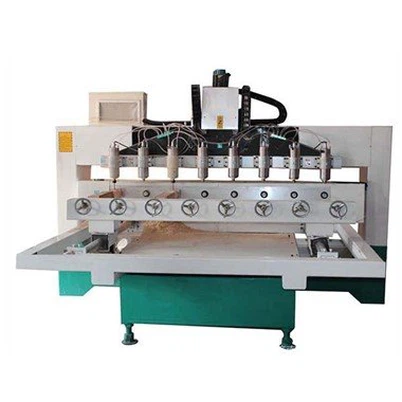
If you are interested in learning more about our 2030 Wood Cnc Engraving Machine or other CNC routers, please feel free to contact us for more information. Our team of experts is always ready to assist you with your CNC routing needs.


References
- CNC Router Handbook: A Comprehensive Guide to CNC Router Operation and Maintenance
- Cutting Tool Engineering: The Definitive Guide to Cutting Tools and Machining Processes
- Woodworking Magazine: Tips and Tricks for Achieving a Smooth Surface Finish on Wood