What are the future prospects of CNC nesting furniture industry?
Leave a message

Hey there! As a supplier in the CNC nesting furniture industry, I've been keeping a close eye on where this field is headed. In this blog, I'll share my thoughts on the future prospects of the CNC nesting furniture industry.
First off, let's talk about what CNC nesting is. CNC (Computer Numerical Control) nesting is a process that optimizes the use of materials by arranging parts on a sheet of material in the most efficient way possible. This technology has revolutionized the furniture manufacturing industry, allowing for greater precision, reduced waste, and increased productivity.
One of the biggest factors driving the future of the CNC nesting furniture industry is the growing demand for customized furniture. Consumers today are looking for unique, one-of-a-kind pieces that reflect their personal style. CNC nesting technology makes it possible to create custom furniture designs quickly and easily, without the need for expensive tooling or manual labor. This means that furniture manufacturers can offer a wider range of products to meet the needs of their customers, which is a huge advantage in today's competitive market.
Another trend that's shaping the future of the CNC nesting furniture industry is the increasing use of automation. Automation has been a game-changer in many industries, and the furniture manufacturing industry is no exception. With the help of CNC nesting machines, furniture manufacturers can automate many of the tasks that were previously done by hand, such as cutting, drilling, and routing. This not only improves efficiency and productivity but also reduces the risk of human error, resulting in higher-quality products.
In addition to customization and automation, sustainability is also becoming an increasingly important factor in the furniture manufacturing industry. Consumers are becoming more environmentally conscious and are looking for furniture that is made from sustainable materials and produced in an environmentally friendly way. CNC nesting technology can help furniture manufacturers meet these demands by reducing waste and optimizing the use of materials. For example, by using a CNC Plasma Nesting Machine, furniture manufacturers can cut parts from a sheet of material with minimal waste, which not only saves money but also reduces the environmental impact of the manufacturing process.
The integration of advanced software is another aspect that will play a crucial role in the future of the CNC nesting furniture industry. Modern software solutions allow for more accurate and detailed design, as well as seamless communication between different stages of the manufacturing process. For instance, with the right software, designers can create 3D models of furniture pieces and then directly translate those designs into instructions for the CNC nesting machine. This not only speeds up the production process but also ensures that the final product matches the original design exactly.
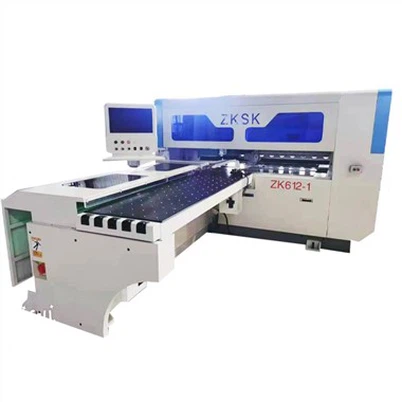
The Genesis Plus CNC Nesting Machine is a great example of how advanced technology is being incorporated into the industry. This machine offers high precision and flexibility, allowing furniture manufacturers to produce a wide variety of furniture styles and designs. It can handle different types of materials, from wood and plywood to composite materials, making it a versatile tool for any furniture manufacturing operation.
The rise of e-commerce is also having a significant impact on the CNC nesting furniture industry. With more and more consumers shopping online, furniture manufacturers need to be able to offer their products in a way that is convenient and accessible. CNC nesting technology makes it possible to produce furniture quickly and efficiently, which is essential for meeting the demands of online customers. Additionally, the ability to offer customized furniture online is a major selling point, as it allows consumers to create a piece of furniture that is truly unique to their needs and preferences.
However, like any industry, the CNC nesting furniture industry also faces some challenges. One of the biggest challenges is the high cost of CNC nesting machines. These machines can be quite expensive to purchase and maintain, which can be a barrier for small and medium-sized furniture manufacturers. Another challenge is the need for skilled operators. CNC nesting machines require a certain level of technical expertise to operate effectively, and finding and training skilled operators can be a challenge.


Despite these challenges, I'm very optimistic about the future of the CNC nesting furniture industry. The demand for customized, high-quality furniture is only going to continue to grow, and CNC nesting technology provides the perfect solution for meeting those demands. As the technology continues to evolve and become more affordable, I believe that we'll see even more innovation and growth in this industry.
If you're in the market for CNC nesting furniture or are interested in learning more about how we can help you meet your furniture manufacturing needs, I encourage you to get in touch with us. We have a wide range of CNC nesting machines and services to offer, and our team of experts is always ready to help you find the best solution for your business. Whether you're a small furniture maker looking to expand your product line or a large manufacturer looking to improve your efficiency and productivity, we can work with you to create a customized solution that meets your specific needs.
In conclusion, the future of the CNC nesting furniture industry looks bright. With the growing demand for customized furniture, the increasing use of automation and advanced software, and the focus on sustainability, there are plenty of opportunities for growth and innovation in this industry. If you're interested in being a part of this exciting industry, don't hesitate to reach out and start a conversation. We're here to help you take your furniture manufacturing business to the next level.
References
- Industry reports on furniture manufacturing trends
- Research papers on sustainable manufacturing in the furniture industry
- Technical specifications of CNC nesting machines and related software