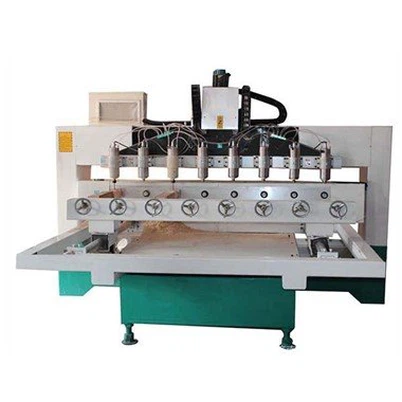
What is the best way to sand metal pipes with a sanding machine?
Leave a message

Sand metal pipes efficiently and effectively is a crucial process in various industries, from plumbing to manufacturing. As a leading sanding machine supplier, we understand the importance of finding the best way to achieve a smooth and polished finish on metal pipes. In this blog post, we will explore the optimal methods and techniques for sanding metal pipes using a sanding machine, along with valuable insights and tips to help you get the most out of your equipment.
Understanding the Basics of Sanding Metal Pipes
Before delving into the specific techniques, it's essential to understand the fundamental principles of sanding metal pipes. The primary goal of sanding is to remove imperfections, such as rust, scale, and rough edges, while creating a smooth and even surface. This process not only enhances the aesthetic appeal of the pipes but also improves their functionality and durability.
When sanding metal pipes, it's crucial to choose the right sanding machine and abrasive materials. The type of sanding machine you select will depend on the size, shape, and material of the pipes, as well as the desired finish. Common types of sanding machines include belt sanders, disc sanders, and orbital sanders. Each type has its own advantages and disadvantages, so it's important to choose the one that best suits your specific needs.
In addition to the sanding machine, you'll also need to select the appropriate abrasive materials. Abrasive materials are available in a variety of grits, which determine the coarseness or fineness of the sanding surface. Coarser grits are ideal for removing heavy rust and scale, while finer grits are used for finishing and polishing. It's important to choose the right grit for the job to ensure efficient and effective sanding.
Preparing the Metal Pipes for Sanding
Before you begin sanding the metal pipes, it's important to prepare them properly to ensure the best results. Here are some steps to follow:


- Clean the Pipes: Remove any dirt, grease, or debris from the pipes using a degreaser or solvent. This will help the abrasive materials adhere to the surface and prevent them from clogging.
- Inspect the Pipes: Check the pipes for any cracks, dents, or other damage. If you find any damage, it's important to repair it before sanding to prevent further problems.
- Secure the Pipes: Use a vise or clamps to secure the pipes in place. This will prevent them from moving during the sanding process and ensure a consistent finish.
Choosing the Right Sanding Machine
As mentioned earlier, the type of sanding machine you choose will depend on the size, shape, and material of the pipes, as well as the desired finish. Here are some common types of sanding machines and their applications:
- Belt Sanders: Belt sanders are ideal for sanding large, flat surfaces, such as the outside of metal pipes. They are available in a variety of sizes and can be used with different grits of abrasive belts.
- Disc Sanders: Disc sanders are similar to belt sanders but use a rotating disc instead of a belt. They are suitable for sanding curved or irregular surfaces, such as the inside of metal pipes.
- Orbital Sanders: Orbital sanders are designed to sand in a circular motion, which helps to prevent swirl marks and create a smooth finish. They are ideal for sanding small, detailed areas, such as the edges of metal pipes.
Selecting the Appropriate Abrasive Materials
In addition to choosing the right sanding machine, you'll also need to select the appropriate abrasive materials. Here are some factors to consider when choosing abrasive materials:
- Grit Size: As mentioned earlier, the grit size of the abrasive material determines the coarseness or fineness of the sanding surface. Coarser grits are ideal for removing heavy rust and scale, while finer grits are used for finishing and polishing.
- Abrasive Type: There are several types of abrasive materials available, including aluminum oxide, silicon carbide, and ceramic. Each type has its own advantages and disadvantages, so it's important to choose the one that best suits your specific needs.
- Backing Material: The backing material of the abrasive material is also important. Common backing materials include paper, cloth, and film. Each type of backing material has its own characteristics, such as flexibility and durability, so it's important to choose the one that best suits your specific needs.
Sanding the Metal Pipes
Once you have prepared the pipes and selected the appropriate sanding machine and abrasive materials, it's time to start sanding. Here are some tips to help you sand the metal pipes effectively:
- Start with a Coarse Grit: Begin by using a coarse grit abrasive material to remove any heavy rust and scale. This will help to create a smooth surface for the finer grits.
- Use a Light Pressure: Apply a light pressure to the sanding machine to avoid damaging the pipes. Let the abrasive material do the work, and don't force it.
- Sand in the Direction of the Grain: Sanding in the direction of the grain will help to create a smooth and even finish. Avoid sanding against the grain, as this can cause scratches and damage to the pipes.
- Change the Abrasive Material Regularly: As the abrasive material wears down, it will become less effective. It's important to change the abrasive material regularly to ensure efficient and effective sanding.
- Finish with a Fine Grit: Once you have removed the heavy rust and scale, switch to a finer grit abrasive material to finish and polish the pipes. This will help to create a smooth and shiny surface.
Maintaining the Sanding Machine
To ensure the longevity and performance of your sanding machine, it's important to maintain it properly. Here are some tips to help you maintain your sanding machine:
- Clean the Machine Regularly: Remove any dust, debris, or abrasive particles from the machine using a brush or compressed air. This will help to prevent the machine from overheating and ensure its smooth operation.
- Lubricate the Machine: Lubricate the moving parts of the machine regularly to prevent wear and tear. Follow the manufacturer's instructions for lubrication.
- Replace the Abrasive Materials: As mentioned earlier, it's important to replace the abrasive materials regularly to ensure efficient and effective sanding. Keep a supply of abrasive materials on hand to avoid downtime.
- Store the Machine Properly: When not in use, store the sanding machine in a dry, clean place. This will help to prevent rust and damage to the machine.
Conclusion
Sanding metal pipes with a sanding machine is a crucial process in various industries. By following the tips and techniques outlined in this blog post, you can achieve a smooth and polished finish on your metal pipes, while also ensuring the longevity and performance of your sanding machine. As a leading sanding machine supplier, we are committed to providing our customers with high-quality products and exceptional customer service. If you have any questions or need further assistance, please don't hesitate to contact us. We look forward to helping you find the best sanding solution for your needs.
References
- "Sanding Metal Pipes: A Comprehensive Guide." [Website Name], [Date Accessed].
- "How to Sand Metal Pipes with a Sanding Machine." [Website Name], [Date Accessed].
- "The Best Sanding Machines for Metal Pipes." [Website Name], [Date Accessed].
If you're interested in purchasing a sanding machine for your metal pipe sanding needs, we invite you to contact us for more information. Our team of experts is ready to assist you in finding the perfect solution for your specific requirements. We offer a wide range of high-quality sanding machines and abrasive materials, along with professional advice and support. Let's start a conversation and explore how we can help you achieve the best results in your metal pipe sanding projects.