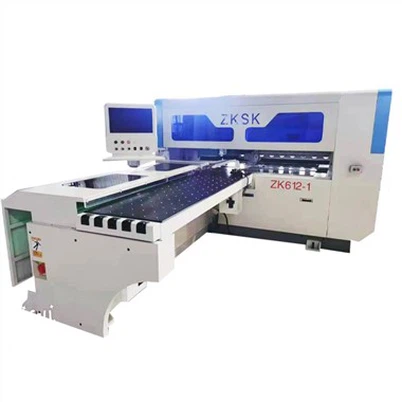
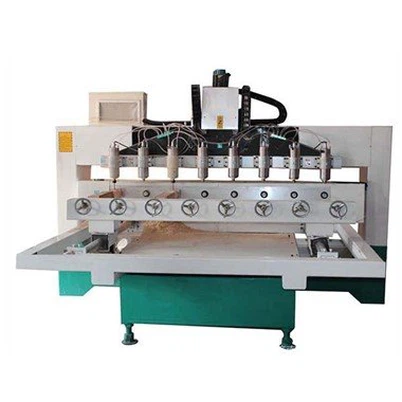
What is the power consumption of a Wood CNC Router?
Leave a message

Hey there! As a supplier of Wood CNC Routers, I often get asked about the power consumption of these machines. It's a crucial question, especially for those looking to manage their operational costs and understand the energy requirements of their woodworking setup. So, let's dive right in and break down what affects the power consumption of a Wood CNC Router.
First off, what exactly is a Wood CNC Router? Well, it's a computer - controlled machine that uses a router to cut, carve, and shape wood. These machines are super versatile and can be used for everything from simple sign - making to intricate furniture production. But with all that power and precision comes an energy cost.
The power consumption of a Wood CNC Router isn't a one - size - fits - all number. It depends on several factors. One of the most significant factors is the type of motor used in the router. There are generally two main types: servo motors and stepper motors.
Servo motors are known for their high precision and fast response times. They can handle complex tasks with ease, but they also consume more power. These motors are constantly adjusting to maintain the right speed and position, which requires a continuous supply of energy. On the other hand, stepper motors are less power - hungry. They move in discrete steps and are more affordable, but they might not offer the same level of precision as servo motors.
Another factor that affects power consumption is the size of the router. Larger Wood CNC Routers typically have more powerful motors and larger cutting tools. This means they need more energy to operate. For example, a big industrial - grade Wood CNC Router used for large - scale furniture production will consume more power than a small desktop model used for hobbyist projects.
The cutting speed and depth also play a role. If you're cutting at a high speed or going deep into the wood, the router has to work harder, and that translates to higher power consumption. Conversely, slower cutting speeds and shallower depths will use less energy.
Let's talk about the power ratings of these machines. Most Wood CNC Routers have a power rating in watts. You can usually find this information in the machine's manual or on the manufacturer's website. A small - to - medium - sized Wood CNC Router might have a power rating of around 1000 - 2000 watts. Larger industrial models can go up to 5000 watts or even more.
To give you a better idea of what that means in terms of actual energy usage, let's do a quick calculation. If a Wood CNC Router has a power rating of 1500 watts and you run it for one hour, it will consume 1.5 kilowatt - hours (kWh) of electricity. The cost of electricity varies depending on where you live, but on average, in the United States, it's about $0.13 per kWh. So, running that 1500 - watt router for one hour would cost you about $0.195.
Now, let's say you're running a business and using the router for 8 hours a day, 5 days a week. That's 40 hours of operation per week. At a power consumption of 1.5 kWh per hour, you'd be using 60 kWh per week. Over the course of a month (assuming 4 weeks), that's 240 kWh, which would cost you around $31.20.
It's important to note that these are just estimates. The actual power consumption can vary depending on how you use the router. If you're constantly changing the cutting speed, depth, or working on different types of wood, the energy usage will fluctuate.
As a supplier, I know that managing power consumption is a big concern for our customers. That's why we offer a range of Wood CNC Routers with different power requirements. Whether you're a small business looking to keep your energy costs down or a large manufacturer who needs a high - performance machine, we've got options for you.
For example, our 1325 Model Cnc Router Machine is a popular choice. It strikes a good balance between power and performance. It's powerful enough to handle a variety of woodworking tasks but doesn't consume an excessive amount of energy.


If you're worried about high power consumption, there are some things you can do to reduce it. One is to optimize your cutting paths. By planning your cuts carefully, you can minimize the amount of time the router is running at full power. Another tip is to use the right cutting tools. Dull or inappropriate tools can make the router work harder, increasing power consumption.
In addition, regular maintenance is crucial. Keeping your router clean, lubricated, and properly calibrated will ensure it runs efficiently. A well - maintained router will use less energy and last longer.
We also offer energy - saving features on some of our routers. These features can automatically adjust the power output based on the cutting task, helping you save on electricity costs.
So, if you're in the market for a Wood CNC Router and want to know more about power consumption, we're here to help. We can provide you with detailed information about the power ratings of our machines and help you choose the one that best fits your needs and budget.
Whether you're a professional woodworker, a small business owner, or a hobbyist, our Wood CNC Routers are designed to offer high - quality performance while keeping power consumption in check. Don't hesitate to reach out to us if you have any questions or if you're interested in purchasing a Wood CNC Router. We're always happy to have a chat and discuss your requirements.
In conclusion, understanding the power consumption of a Wood CNC Router is essential for managing your costs and making an informed purchasing decision. By considering factors like motor type, size, cutting speed, and depth, you can get a better idea of how much energy your router will use. And remember, we're here to support you every step of the way.
References
- General knowledge of Wood CNC Router technology and power consumption principles.
- Manufacturer's specifications and manuals for Wood CNC Routers.