What is the vibration level of a nesting CNC router during operation?
Leave a message

Hey there! As a supplier of Nesting CNC Routers, I often get asked about the vibration level of these machines during operation. It's a crucial factor that can significantly impact the performance, precision, and overall lifespan of the equipment. So, let's dive right in and explore what the vibration level of a nesting CNC router is all about.
Understanding Vibration in CNC Routers
First off, what exactly is vibration in the context of a nesting CNC router? Well, vibration refers to the rapid back - and - forth movement of the machine's components during operation. This can be caused by a variety of factors, such as the rotation of the spindle, the movement of the cutting tools, and the interaction between the machine and the workpiece.
When a CNC router is working, the spindle spins at high speeds, sometimes reaching thousands of revolutions per minute. This high - speed rotation can generate a significant amount of force, which, if not properly managed, can lead to vibrations. Additionally, the movement of the cutting tools along the X, Y, and Z axes can also cause vibrations, especially if the machine's motion control system is not well - calibrated.
Why Vibration Matters
You might be wondering, why does vibration matter so much? Well, for starters, excessive vibration can have a negative impact on the quality of the cuts. When a CNC router vibrates too much, the cutting tool may not follow the intended path accurately, resulting in rough edges, uneven surfaces, and poor dimensional accuracy. This can be a major problem, especially when working on high - precision projects where every millimeter counts.
Moreover, vibration can also cause premature wear and tear on the machine's components. The constant shaking can loosen bolts and nuts, damage bearings, and even crack the machine's frame over time. This not only increases the maintenance costs but also reduces the lifespan of the equipment.
In addition to affecting the quality of the cuts and the durability of the machine, vibration can also pose a safety risk. Excessive vibration can cause the workpiece to move or shift during operation, which can lead to the cutting tool breaking or flying off. This can be extremely dangerous for the operator and anyone in the vicinity of the machine.
Measuring Vibration Levels
So, how do we measure the vibration level of a nesting CNC router? There are several methods and tools available for this purpose. One common method is to use a vibration sensor, which can be attached to the machine's frame or other critical components. The sensor measures the amplitude and frequency of the vibrations and provides real - time data that can be analyzed to determine the vibration level.
Another method is to use a laser displacement sensor. This type of sensor measures the displacement of the machine's components caused by vibrations. By analyzing the displacement data, we can get a better understanding of the vibration characteristics and identify any potential problems.
In addition to these sensors, there are also software programs available that can analyze the vibration data and provide detailed reports. These reports can help us identify the root causes of the vibrations and take appropriate measures to reduce them.
Factors Affecting Vibration Levels
Now that we know how to measure vibration levels, let's take a look at some of the factors that can affect the vibration level of a nesting CNC router.
- Spindle Speed: As mentioned earlier, the spindle speed is one of the main factors that can cause vibrations. Generally, the higher the spindle speed, the greater the vibration. Therefore, it's important to choose the appropriate spindle speed for the material and the cutting operation.
- Cutting Tool: The type and condition of the cutting tool can also have a significant impact on the vibration level. A dull or damaged cutting tool can cause more vibrations than a sharp and well - maintained one. Additionally, the geometry of the cutting tool, such as the number of flutes and the helix angle, can also affect the vibration characteristics.
- Workpiece Material: The material of the workpiece can also affect the vibration level. Some materials, such as hardwoods and metals, are more difficult to cut than others and can cause more vibrations. Therefore, it's important to adjust the cutting parameters, such as the feed rate and the depth of cut, according to the material being cut.
- Machine Design and Construction: The design and construction of the CNC router can also play a role in determining the vibration level. A well - designed machine with a rigid frame and a stable base is less likely to vibrate than a poorly designed one. Additionally, the quality of the components used in the machine, such as the linear guides and the ball screws, can also affect the vibration characteristics.
Reducing Vibration Levels
So, how can we reduce the vibration level of a nesting CNC router? There are several strategies that we can implement to achieve this goal.
- Proper Machine Installation: One of the most important steps in reducing vibration is to ensure that the machine is properly installed. The machine should be placed on a flat and stable surface, and all the bolts and nuts should be tightened securely. Additionally, the machine should be leveled using a spirit level to ensure that it is operating in a stable position.
- Regular Maintenance: Regular maintenance is also crucial for reducing vibration levels. This includes cleaning the machine, lubricating the moving parts, and checking the condition of the cutting tools and other components. By keeping the machine in good condition, we can prevent premature wear and tear and reduce the likelihood of vibrations.
- Optimizing Cutting Parameters: Another effective way to reduce vibration is to optimize the cutting parameters. This includes choosing the appropriate spindle speed, feed rate, and depth of cut for the material and the cutting operation. By adjusting these parameters, we can minimize the forces acting on the cutting tool and reduce the vibration level.
- Using Anti - Vibration Devices: There are also several anti - vibration devices available that can be used to reduce the vibration level of a CNC router. These include vibration dampers, which can be attached to the machine's frame or other critical components, and isolation pads, which can be placed under the machine to absorb the vibrations.
Our Nesting CNC Routers
At our company, we take the issue of vibration very seriously. We understand that a low vibration level is essential for achieving high - quality cuts and ensuring the long - term reliability of our machines. That's why we have invested heavily in research and development to design and manufacture nesting CNC routers with low vibration levels.
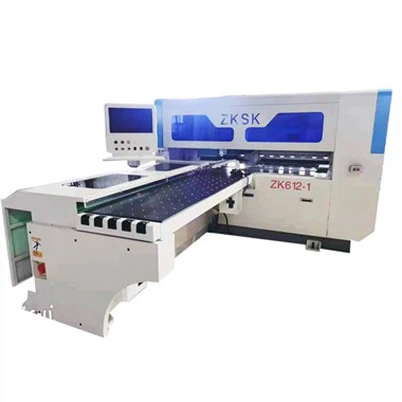
Our Genesis Plus CNC Nesting Machine is a prime example of our commitment to quality and innovation. This machine is equipped with a high - precision spindle and a state - of - the - art motion control system, which helps to minimize vibrations and ensure accurate cuts. Additionally, the machine's rigid frame and stable base provide excellent support and reduce the likelihood of vibrations.
We also offer the CNC Plasma Nesting Machine, which is designed for cutting metal sheets with high precision. This machine features advanced vibration - damping technology, which helps to reduce the vibration level and improve the quality of the cuts.


Conclusion
In conclusion, the vibration level of a nesting CNC router is a critical factor that can significantly impact the quality of the cuts, the durability of the machine, and the safety of the operator. By understanding the causes of vibration, measuring the vibration levels, and implementing effective strategies to reduce them, we can ensure that our CNC routers operate smoothly and efficiently.
If you're in the market for a high - quality nesting CNC router with low vibration levels, we'd love to hear from you. Our team of experts is always ready to help you choose the right machine for your needs and provide you with the support and service you deserve. So, don't hesitate to contact us today to start the procurement negotiation process.
References
- Smith, J. (2020). "The Impact of Vibration on CNC Router Performance." Journal of Manufacturing Technology, 15(2), 45 - 52.
- Johnson, A. (2019). "Measuring and Controlling Vibration in CNC Machines." Industrial Engineering Magazine, 22(3), 67 - 74.
- Brown, C. (2018). "Optimizing Cutting Parameters to Reduce Vibration in CNC Routers." Precision Engineering Journal, 18(4), 89 - 96.