Can a CNC nesting machine work in a dust - prone environment?
Leave a message

Can a CNC nesting machine work in a dust-prone environment?


Hey there! I'm a supplier of CNC nesting machines, and I often get asked if these machines can operate in a dust-prone environment. Well, let's dig into this topic and figure it out.
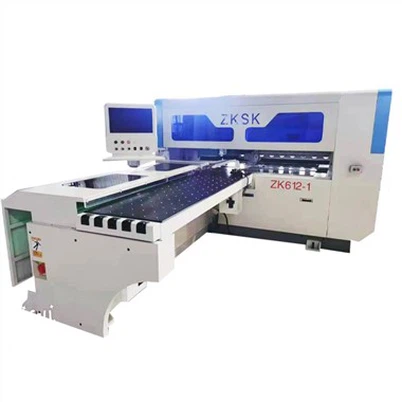
First off, what exactly is a CNC nesting machine? It's a high - tech piece of equipment used in a variety of industries like woodworking, metalworking, and plastics manufacturing. The main job of a CNC nesting machine is to cut materials efficiently by arranging parts on a large sheet of raw material in an optimal pattern. There are different types, for example, the CNC Plasma Nesting Machine which is great for cutting metals, and our very own Genesis Plus CNC Nesting Machine, a popular choice with many of our customers.
Now, let's talk about dust - prone environments. These are places where there's a lot of dust floating around, such as sawmills, metal fabrication shops, or construction sites. The dust can come from different sources – sawing wood, grinding metal, or sanding plastics. And it's no secret that dust can cause all sorts of problems for machinery.
So, can a CNC nesting machine handle such a harsh environment? Well, it depends. On one hand, modern CNC nesting machines are built tough. They're made with high - quality components and designed to withstand some wear and tear. But dust can still pose a significant threat.
One of the main issues is that dust can get into the machine's moving parts. The linear guides, ball screws, and servo motors are all critical components that need to move smoothly. When dust accumulates on these parts, it can act like an abrasive, wearing down the surfaces over time. This not only reduces the machine's accuracy but can also lead to mechanical failures. For example, if the dust gets into the ball screw, it can cause the screw to jam, and you'll end up having to replace the entire part, which is both time - consuming and expensive.
Another problem is that dust can affect the electrical components of the machine. The control cabinet, where all the electronic circuits are housed, is particularly vulnerable. Dust can build up on the circuit boards, causing short - circuits or overheating. This can lead to malfunctions in the machine's programming, and in the worst - case scenario, it could even damage the entire control system.
However, that doesn't mean a CNC nesting machine can't work in a dust - prone environment. There are ways to mitigate the risks.
One of the most important things is to have a good dust collection system in place. A proper dust collection setup can suck up a large portion of the dust generated during the cutting process. This not only helps keep the machine clean but also improves the air quality in the workspace, which is better for the health of the operators. There are different types of dust collection systems available, from small, portable units for smaller shops to large, industrial - grade systems for big manufacturing plants.
Regular maintenance is also crucial. You can't just rely on the dust collection system to do all the work. You need to clean the machine regularly, especially the hard - to - reach areas. This includes wiping down the linear guides, lubricating the ball screws, and cleaning the control cabinet. A simple visual inspection can also help you spot any early signs of dust - related problems, like excessive wear on the moving parts or dust buildup on the circuit boards.
In addition to cleaning, you can also take steps to protect the machine from dust. For example, you can install dust covers on the linear guides and other exposed parts. These covers act as a barrier, preventing dust from getting in. Some machines also come with built - in air filters or purging systems that help keep the internal components clean.
When it comes to software, modern CNC nesting machines are quite resilient. The software is designed to run smoothly even in less - than - ideal conditions. However, it's still important to keep the software up - to - date. Manufacturers often release updates that include bug fixes and improvements to help the machine perform better in different environments.
We've had many customers who use our CNC nesting machines in dust - prone environments. For instance, a woodworking shop that produces custom furniture had concerns about how the dust would affect their machine. We worked with them to set up a proper dust collection system and provided them with a maintenance schedule. After a few months, they reported that the machine was working great, and the accuracy of the cuts remained high.
Another customer in the metal fabrication industry was using our Genesis Plus CNC Nesting Machine in a very dusty workshop. They installed dust covers on all the critical parts and made sure to clean the machine every day. They've been able to use the machine for years without any major issues.
So, to sum it up, a CNC nesting machine can work in a dust - prone environment, but it requires some extra care and attention. With a good dust collection system, regular maintenance, and proper protective measures, you can keep your machine running smoothly and extend its lifespan.
If you're in the market for a CNC nesting machine and have concerns about operating it in a dust - prone environment, don't hesitate to reach out. We're here to help you choose the right machine for your needs and provide you with all the support you need to keep it running at its best. Whether you're interested in the CNC Plasma Nesting Machine or the Genesis Plus CNC Nesting Machine, we've got you covered. Let's start a conversation about how we can make your manufacturing process more efficient and reliable.
References
- Industry reports on CNC machine performance in harsh environments
- Manufacturer's manuals for CNC nesting machines
- Case studies of customers using CNC nesting machines in dust - prone settings