What is the feed rate of a 4 Axis CNC Router?
Leave a message

What is the feed rate of a 4 Axis CNC Router?
As a supplier of 4 Axis CNC Routers, I'm often asked about the feed rate of these machines. Understanding the feed rate is crucial for anyone involved in CNC machining, whether you're a hobbyist, a small business owner, or part of a large manufacturing operation. In this blog post, I'll delve into what feed rate is, how it affects the performance of a 4 Axis CNC Router, and what factors you should consider when setting it.
What is Feed Rate?
Feed rate, in the context of a 4 Axis CNC Router, refers to the speed at which the cutting tool moves along the material being machined. It is typically measured in millimeters per minute (mm/min) or inches per minute (IPM). The feed rate is a critical parameter because it directly impacts the quality of the cut, the efficiency of the machining process, and the lifespan of the cutting tool.


A higher feed rate means the tool moves through the material more quickly, which can increase productivity. However, if the feed rate is too high, it can lead to poor surface finish, excessive tool wear, and even breakage of the cutting tool. On the other hand, a lower feed rate can result in a smoother finish and less tool wear, but it also means the machining process will take longer.
Factors Affecting Feed Rate in a 4 Axis CNC Router
Several factors influence the optimal feed rate for a 4 Axis CNC Router. Let's take a look at some of the most important ones:
Material Type
Different materials have different hardness and density, which means they require different feed rates. For example, softwoods like pine can typically be machined at a higher feed rate than hardwoods like oak. Similarly, plastics and composites may have different feed rate requirements compared to metals. As a general rule, harder materials require lower feed rates to prevent excessive tool wear and ensure a clean cut.
Cutting Tool
The type, size, and geometry of the cutting tool also play a significant role in determining the feed rate. For instance, a larger diameter tool may require a lower feed rate than a smaller one to maintain the same level of cutting performance. Additionally, the number of flutes on the tool can affect the feed rate. Tools with more flutes can typically handle higher feed rates because they can remove material more efficiently.
Depth of Cut
The depth of cut is another important factor. A deeper cut generally requires a lower feed rate to avoid overloading the cutting tool. If you try to take a very deep cut at a high feed rate, the tool may break or the machine may experience excessive vibration, leading to poor quality cuts.
Machine Capability
The power and rigidity of the 4 Axis CNC Router itself also limit the feed rate. A more powerful and rigid machine can typically handle higher feed rates without sacrificing accuracy or stability. It's important to consult the manufacturer's specifications to determine the maximum feed rate your machine can safely achieve.
Determining the Optimal Feed Rate
To determine the optimal feed rate for your 4 Axis CNC Router, you need to consider all of the factors mentioned above. A good starting point is to refer to the manufacturer's recommendations for the cutting tool and the material you're using. These recommendations are usually based on extensive testing and can provide a reliable baseline.
However, keep in mind that these recommendations are just a starting point. You may need to make adjustments based on your specific application and the performance of your machine. It's a good idea to perform test cuts at different feed rates and observe the results. Look for signs of poor surface finish, excessive tool wear, or vibration. Based on your observations, you can gradually adjust the feed rate to find the optimal setting.
Feed Rate and 4 Axis CNC Router Applications
The feed rate requirements can vary depending on the specific application of the 4 Axis CNC Router. Let's take a look at some common applications and how feed rate plays a role:
Woodworking
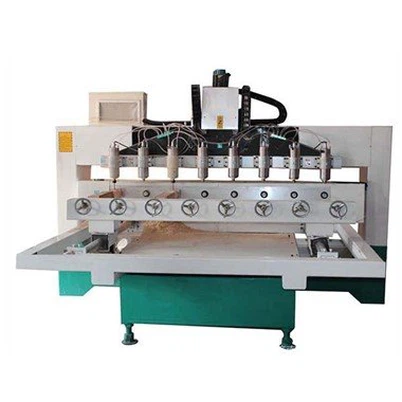
In woodworking, the feed rate can significantly impact the quality of the finished product. For example, when creating intricate carvings or detailed designs, a lower feed rate may be necessary to ensure a smooth and precise cut. On the other hand, when roughing out a large piece of wood, a higher feed rate can be used to remove material more quickly. Our 4 Axis Swing Head CNC Router Machine is well-suited for woodworking applications, offering precise control over the feed rate to achieve excellent results.
Metalworking
Metalworking requires careful consideration of the feed rate due to the hardness of the materials involved. A lower feed rate is typically used when machining metals to prevent tool wear and ensure a high-quality finish. Our 4 Axis RotaryCNC Router is designed to handle metalworking applications with precision, allowing you to set the feed rate according to the specific requirements of the metal being machined.
Plastic and Composite Machining
Plastics and composites have different properties compared to wood and metal, which means they require different feed rates. In general, these materials can be machined at relatively high feed rates, but it's still important to consider the specific type of plastic or composite and the cutting tool being used. Our 3d 4040 Cnc Router Machine With Rotary is a versatile option for plastic and composite machining, offering adjustable feed rates to accommodate different materials and applications.
Importance of Proper Feed Rate Setting
Setting the proper feed rate is essential for several reasons. Firstly, it ensures the quality of the machined parts. A well-set feed rate results in a smooth surface finish, accurate dimensions, and minimal tool marks. This is particularly important for applications where the appearance and functionality of the parts are critical.
Secondly, proper feed rate setting can extend the lifespan of the cutting tool. By avoiding excessive wear and breakage, you can reduce the cost of tool replacement and increase the overall efficiency of your machining process.
Finally, an appropriate feed rate can improve the productivity of your 4 Axis CNC Router. By finding the optimal balance between speed and quality, you can complete jobs more quickly without sacrificing the precision and performance of your machine.
Contact Us for More Information
If you're interested in learning more about 4 Axis CNC Routers and how to optimize their feed rates for your specific applications, we'd love to hear from you. Our team of experts is available to provide you with detailed information, technical support, and guidance on choosing the right machine for your needs. Whether you're a beginner or an experienced CNC machinist, we can help you make the most of your investment. Contact us today to start a discussion about your requirements and explore the possibilities of our 4 Axis CNC Routers.
References
- "CNC Programming Handbook" by Peter Smid
- "Machining Fundamentals" by Society of Manufacturing Engineers
- Manufacturer's specifications for 4 Axis CNC Routers