What is the noise level of a CNC nesting machine during operation?
Leave a message

As a supplier of CNC nesting machines, I often receive inquiries from customers about various aspects of these machines, and one question that comes up quite frequently is: "What is the noise level of a CNC nesting machine during operation?" In this blog post, I'll delve into this topic, providing you with a comprehensive understanding of the noise levels associated with CNC nesting machines, factors that influence them, and how to manage them.
Understanding Noise Levels in CNC Nesting Machines
CNC nesting machines are sophisticated pieces of equipment used in various industries, such as woodworking, metalworking, and plastics fabrication. These machines use computer numerical control (CNC) technology to automate the cutting, routing, and shaping of materials. During operation, they generate noise, which can vary depending on several factors.
The noise level of a CNC nesting machine is typically measured in decibels (dB). A decibel is a unit used to express the intensity of a sound. For reference, a normal conversation usually takes place at around 60 dB, while a vacuum cleaner operates at about 70 - 80 dB. In the context of CNC nesting machines, the noise levels can range from 70 dB to over 90 dB, depending on the machine's design, the type of material being processed, and the cutting speed.


Factors Influencing Noise Levels
Machine Design
The design of a CNC nesting machine plays a significant role in determining its noise level. Machines with well - engineered components and a sturdy frame tend to produce less noise. For example, a machine with high - quality bearings and smooth - running motors will operate more quietly than one with substandard parts. Additionally, the presence of noise - dampening materials in the machine's construction can help reduce the overall noise output.
Material Being Processed
Different materials generate different levels of noise when cut or routed by a CNC nesting machine. For instance, cutting through softwood like pine may produce less noise compared to cutting through hardwoods such as oak or maple. Metals also present a different scenario; cutting through aluminum might be less noisy than cutting through steel. The density, hardness, and grain structure of the material all contribute to the noise level during processing.
Cutting Speed and Feed Rate
The speed at which the cutting tool moves and the rate at which the material is fed into the machine can greatly affect the noise level. Higher cutting speeds and feed rates generally result in more noise. This is because the increased speed causes the cutting tool to interact more forcefully with the material, generating vibrations and noise. Operators often need to find a balance between productivity and noise levels when setting these parameters.
Tool Condition
The condition of the cutting tool is another crucial factor. A dull or damaged tool will produce more noise than a sharp, well - maintained one. When a tool is dull, it has to work harder to cut through the material, leading to increased vibrations and noise. Regular tool inspection and replacement are essential to keep the noise levels in check.
Noise Levels of Specific CNC Nesting Machines
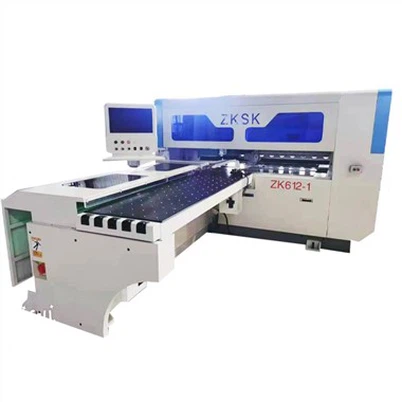
Let's take a look at the noise levels of some popular CNC nesting machines. The CNC Plasma Nesting Machine is a powerful tool used for cutting metal sheets. During operation, it typically produces noise levels in the range of 75 - 85 dB. This machine uses a plasma torch to cut through the metal, and the noise is mainly generated by the plasma arc and the movement of the machine's components.
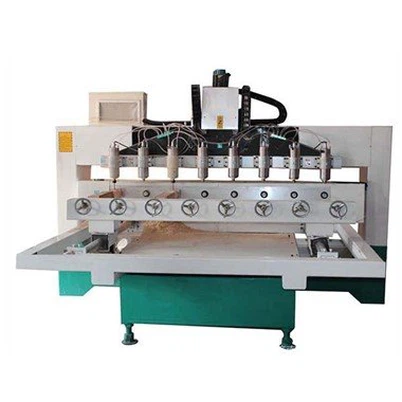
The Genesis Plus CNC Nesting Machine is designed for woodworking applications. It operates at a relatively lower noise level, usually between 70 - 80 dB. This machine is known for its precision and quiet operation, thanks to its advanced design and high - quality components.
Managing Noise Levels
Operator Training
Proper operator training is essential for managing noise levels. Operators should be educated on how to set the correct cutting parameters, maintain the machine, and use personal protective equipment (PPE). By following the recommended operating procedures, operators can ensure that the machine runs as quietly as possible.
Machine Maintenance
Regular maintenance of the CNC nesting machine is crucial for reducing noise levels. This includes lubricating moving parts, tightening loose bolts, and replacing worn - out components. A well - maintained machine will not only operate more quietly but also have a longer lifespan and better performance.
Use of Noise - Reduction Equipment
There are several types of noise - reduction equipment available that can be used in conjunction with CNC nesting machines. For example, acoustic enclosures can be installed around the machine to contain the noise. These enclosures are made of sound - absorbing materials and can significantly reduce the noise level in the surrounding area. Additionally, operators can wear earplugs or earmuffs to protect their hearing.
Importance of Managing Noise Levels
Managing the noise levels of CNC nesting machines is not just about creating a more comfortable working environment. It also has important implications for the health and safety of operators. Prolonged exposure to high - level noise can lead to hearing loss, stress, and other health problems. By reducing noise levels, companies can comply with occupational health and safety regulations and improve the well - being of their employees.
Conclusion
In conclusion, the noise level of a CNC nesting machine during operation can vary depending on several factors, including machine design, material being processed, cutting speed, and tool condition. As a supplier, we understand the importance of providing machines that not only offer high - performance but also operate quietly. We offer a range of CNC nesting machines, such as the CNC Plasma Nesting Machine and the Genesis Plus CNC Nesting Machine, which are designed with noise reduction in mind.
If you're interested in learning more about our CNC nesting machines or have any questions regarding noise levels or other aspects of these machines, we encourage you to contact us for a detailed discussion. We're here to help you find the right machine for your specific needs and ensure that it operates efficiently and quietly.
References
- Machinery's Handbook, 31st Edition
- Industrial Noise Control and Acoustics by Clarence W. Harris
- Occupational Safety and Health Administration (OSHA) guidelines on noise exposure in the workplace